Felix Schöppner (*1990) is a German photographer. From 2010 to 2021, he studied Communication-Design with a focus on photography at Darmstadt University of Applied Sciences in classes of Kris Scholz and Michael Kerstgens. From 2021 to 2026, he continued in the master's program in Visual Communication in class of Birgit Wudtke at the Bauhaus University Weimar. Since 2021, he has been living and working in Leipzig. His artistic practice understands photography as an integral part of an expanded, installation-based work process that deals with questions of perception, order, and the construction of reality. Starting in the field of documentary photography, his focus shifted to still life in 2018. In precisely composed visual worlds, he combines materials, objects, and photographic processes to create analytical experimental arrangements. His works are characterized by formal stringency, conceptual clarity, and a reduced visual language.
Contact:hello@felixschoeppner.de+49 (0)176 636 809 02Instagram, Facebook
Handle with Care
Work is in a state of continuous transformation, closely linked to technological developments and the increasing optimisation of productivity and control. The shift to remote work induced by the pandemic brought questions of visibility, presence and employee surveillance sharply into focus. The so-called mouse mover functions as both a tool and a symbol of a transitional phase; Control is both externalised and subverted by technology — a relic that is now on the verge of disappearing as the remote working model is partially rolled back.
Drawing on Gilbert Simondon’s reflections in On the Mode of Existence of Technical Objects, the project has developed apparatuses that are not understood as neutral tools, but as autonomous actors within social structures. Simondon’s thesis reflects the historical shift in which the human subject moves from acting directly to supervising and organising machines within modern labour processes. The apparatuses’ oversized, functionally enlarged construction exposes the mechanisms of production and control that shape the everyday reality of numerous working environments. At the same time, their excessive over-engineering generates a deceptive sense of security and stability.
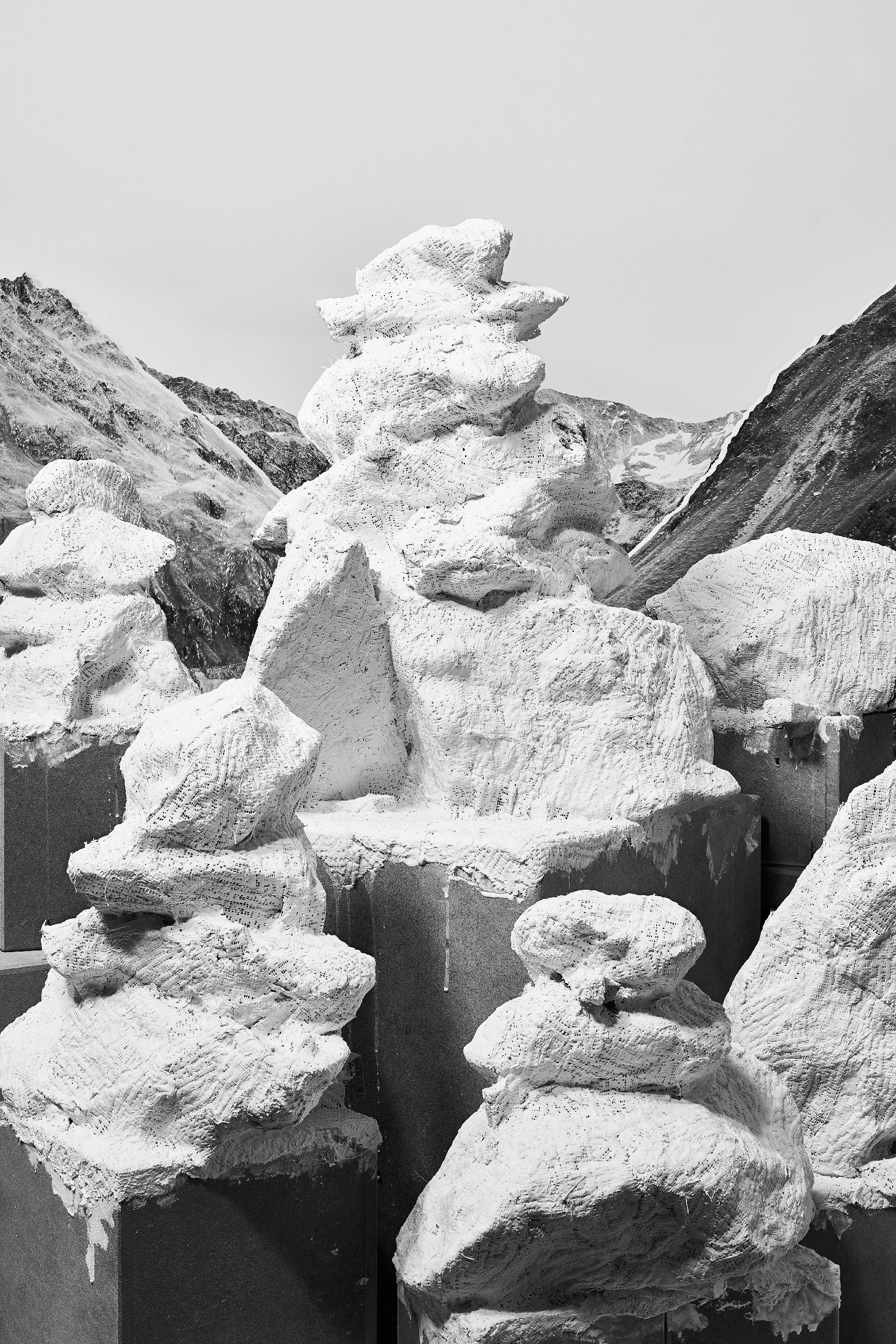
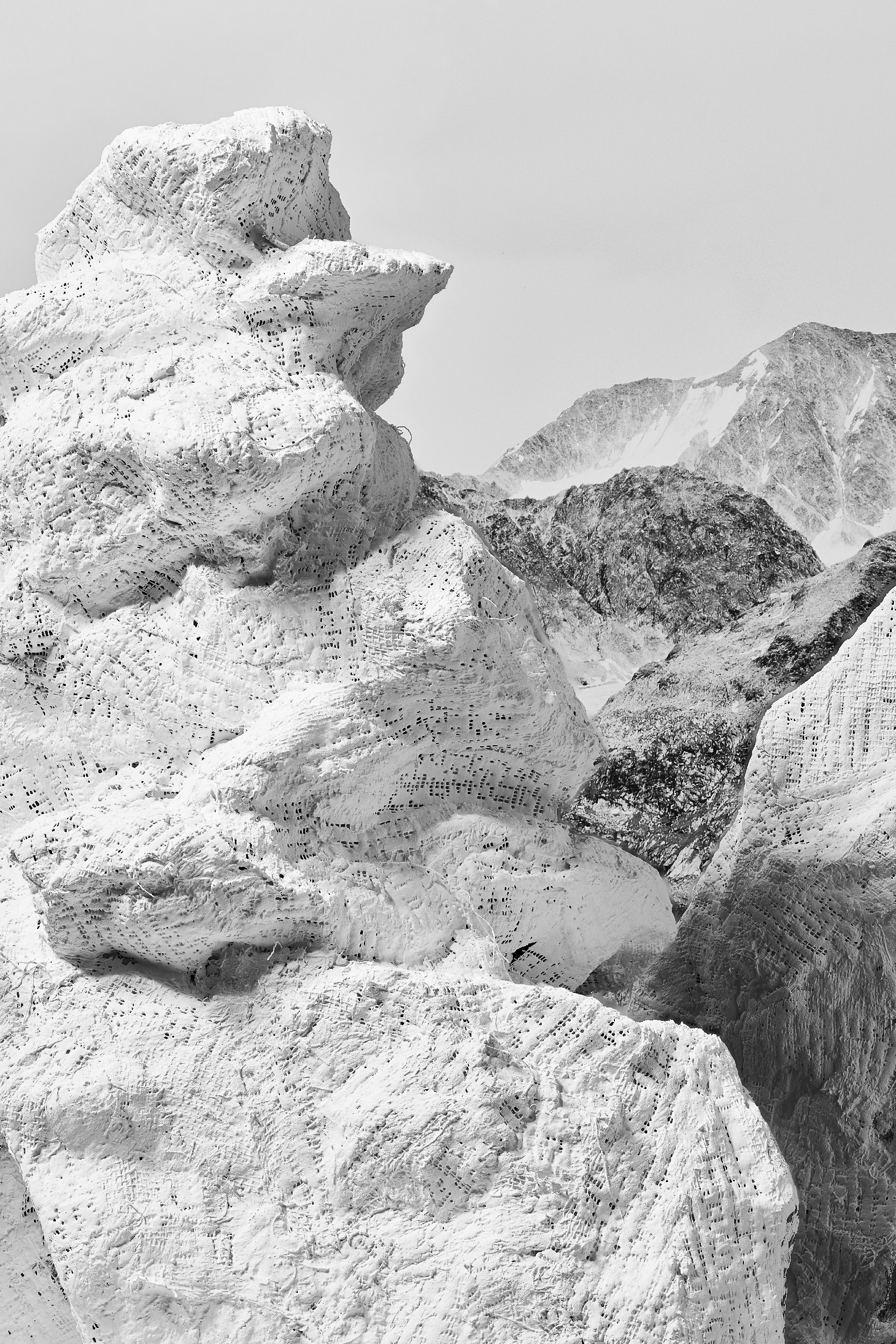
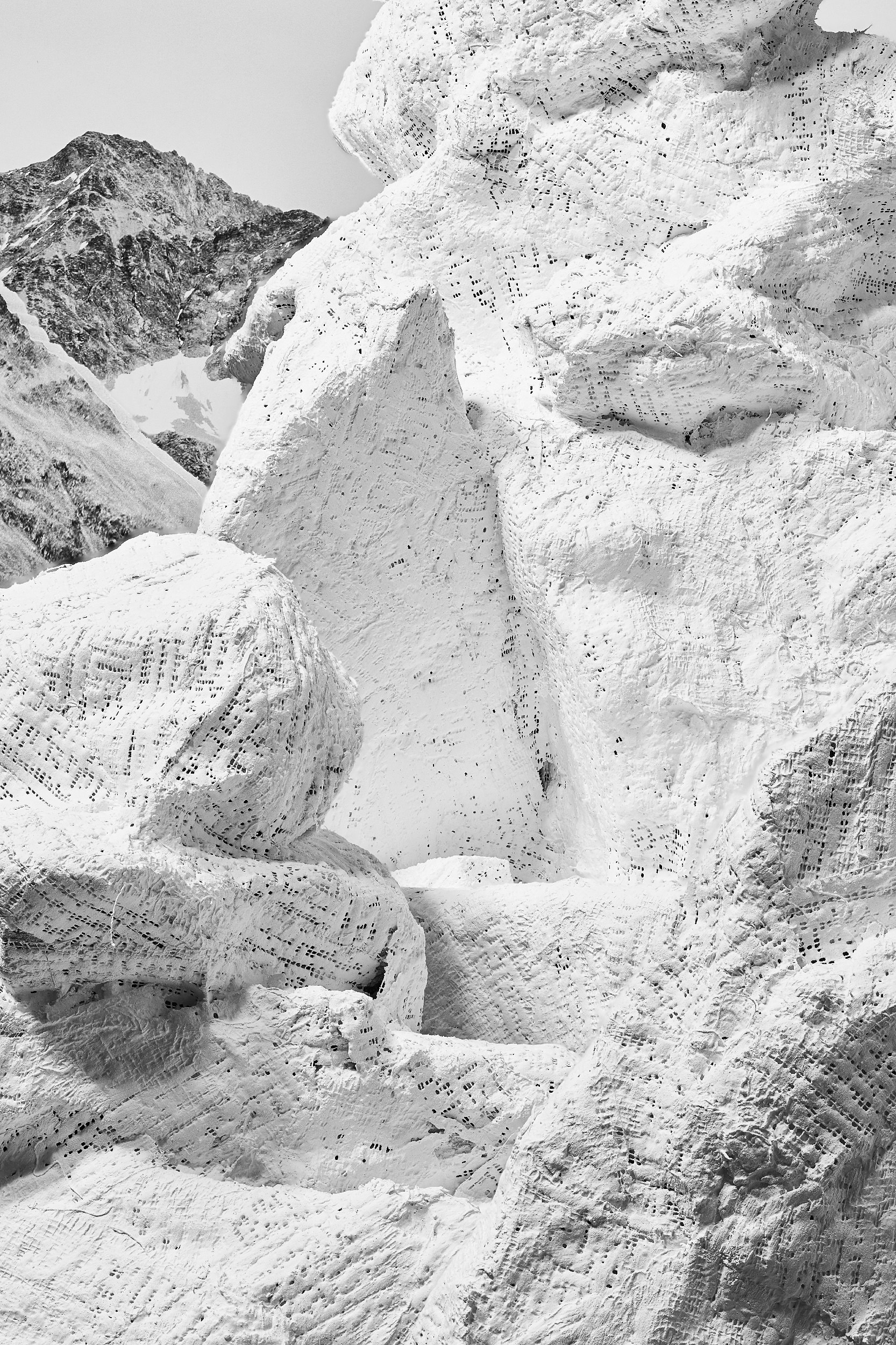
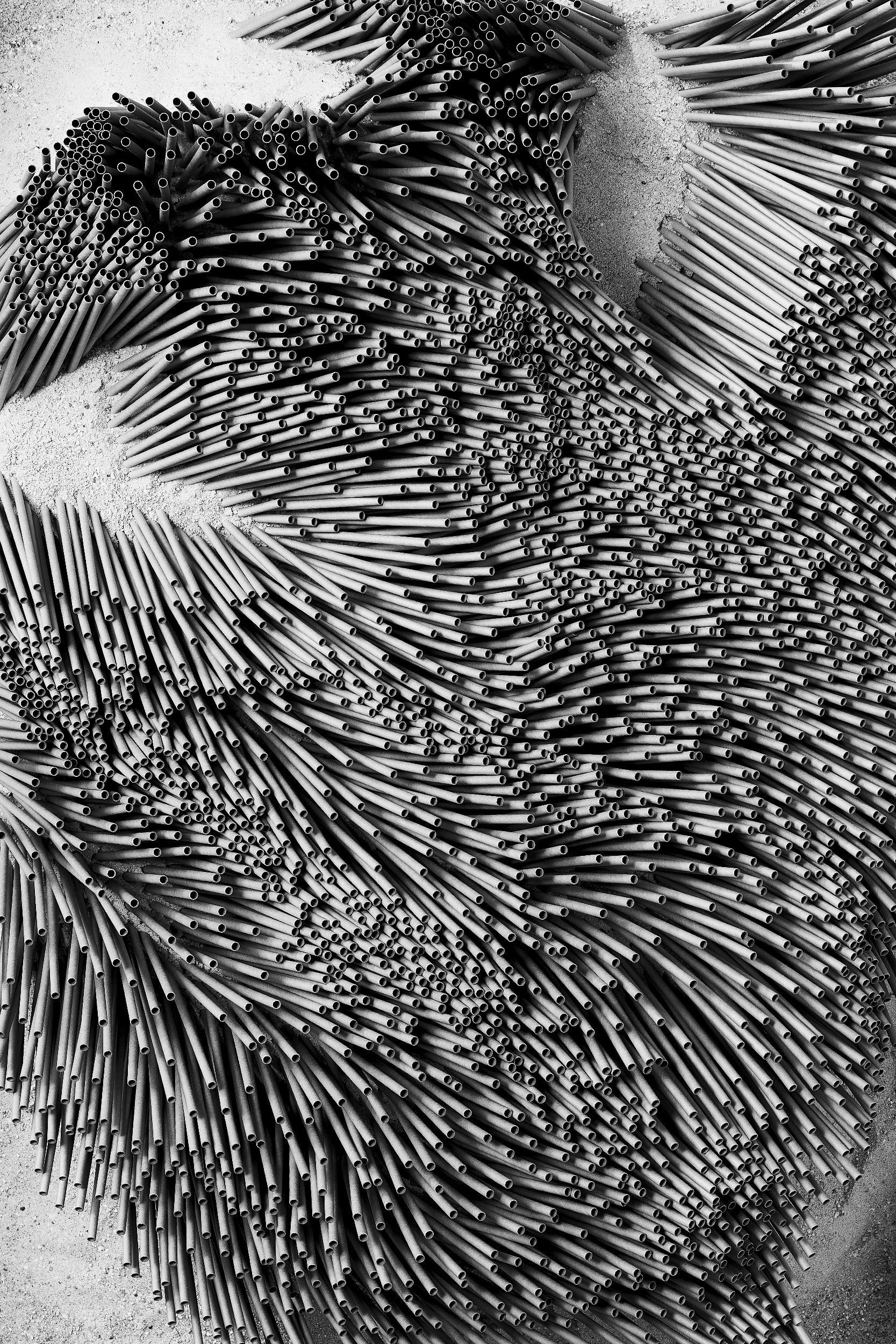
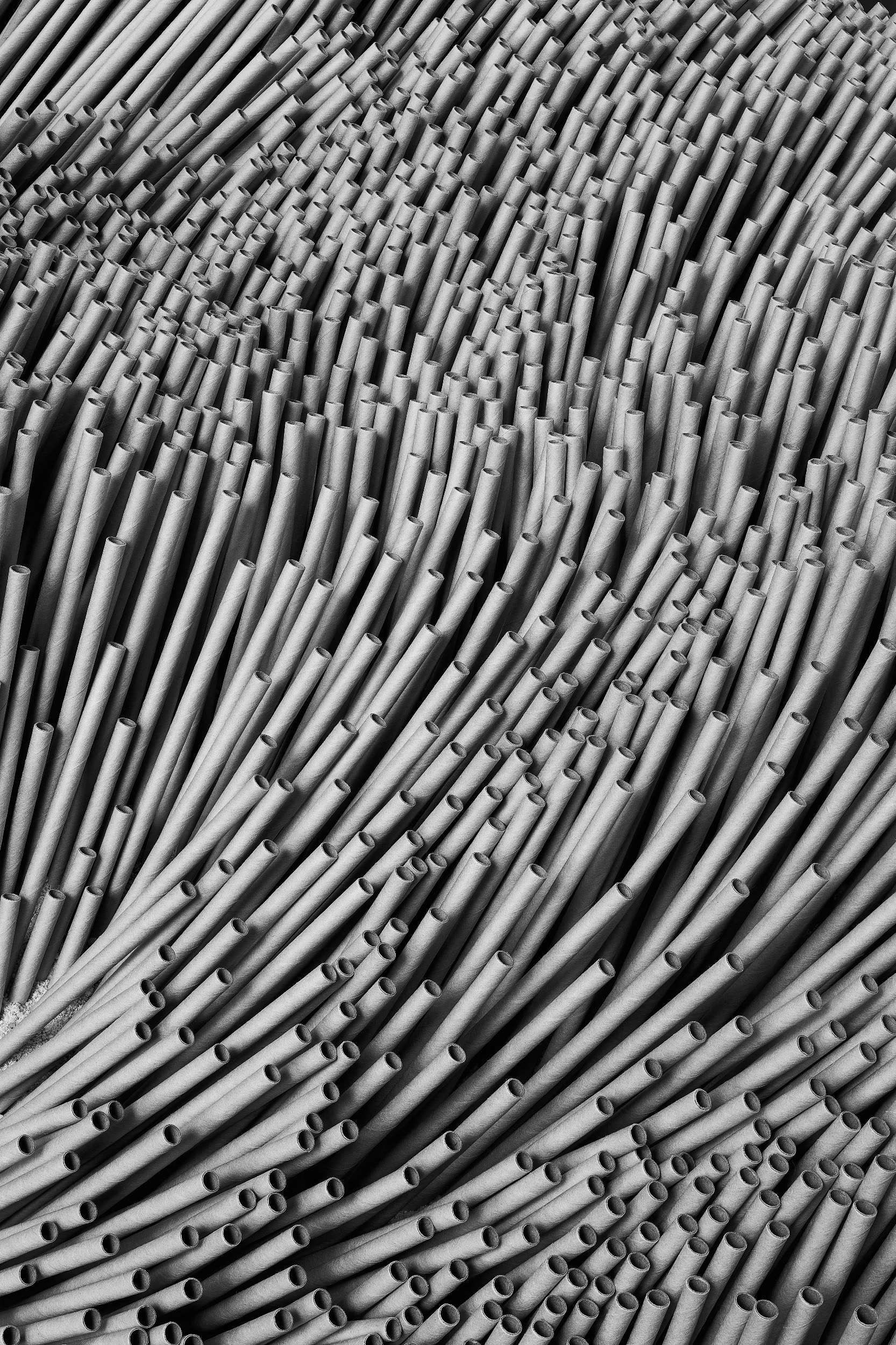
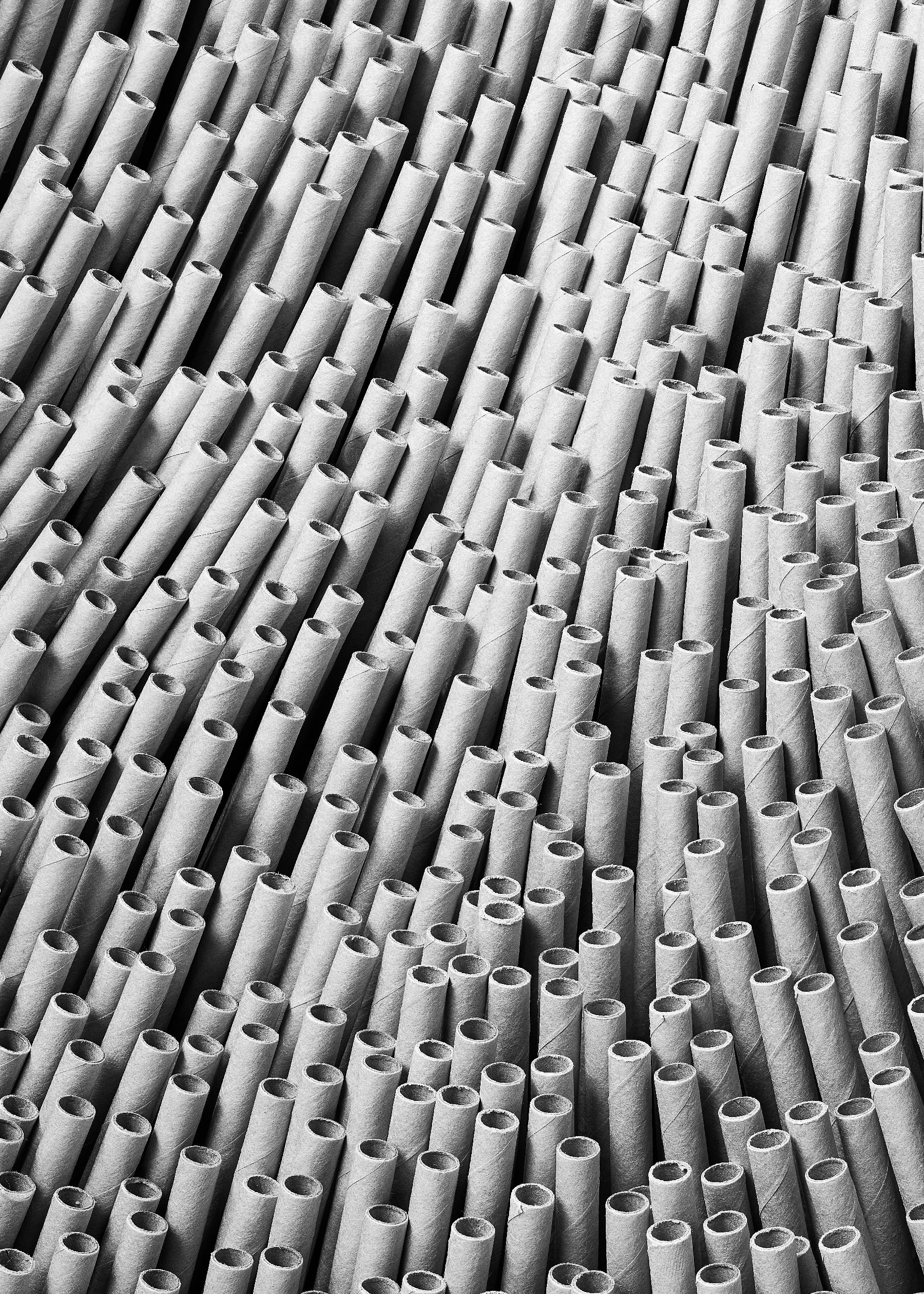
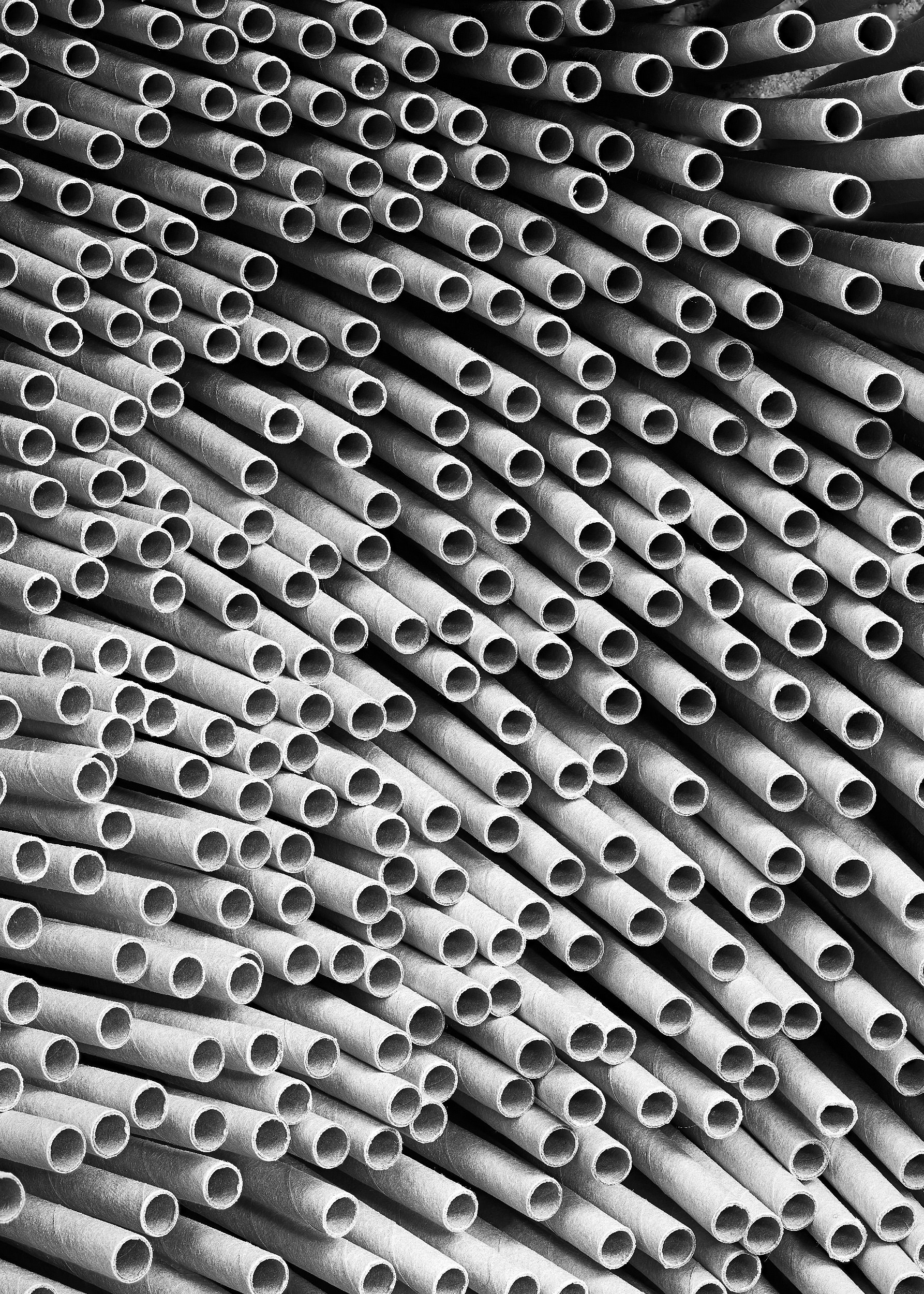
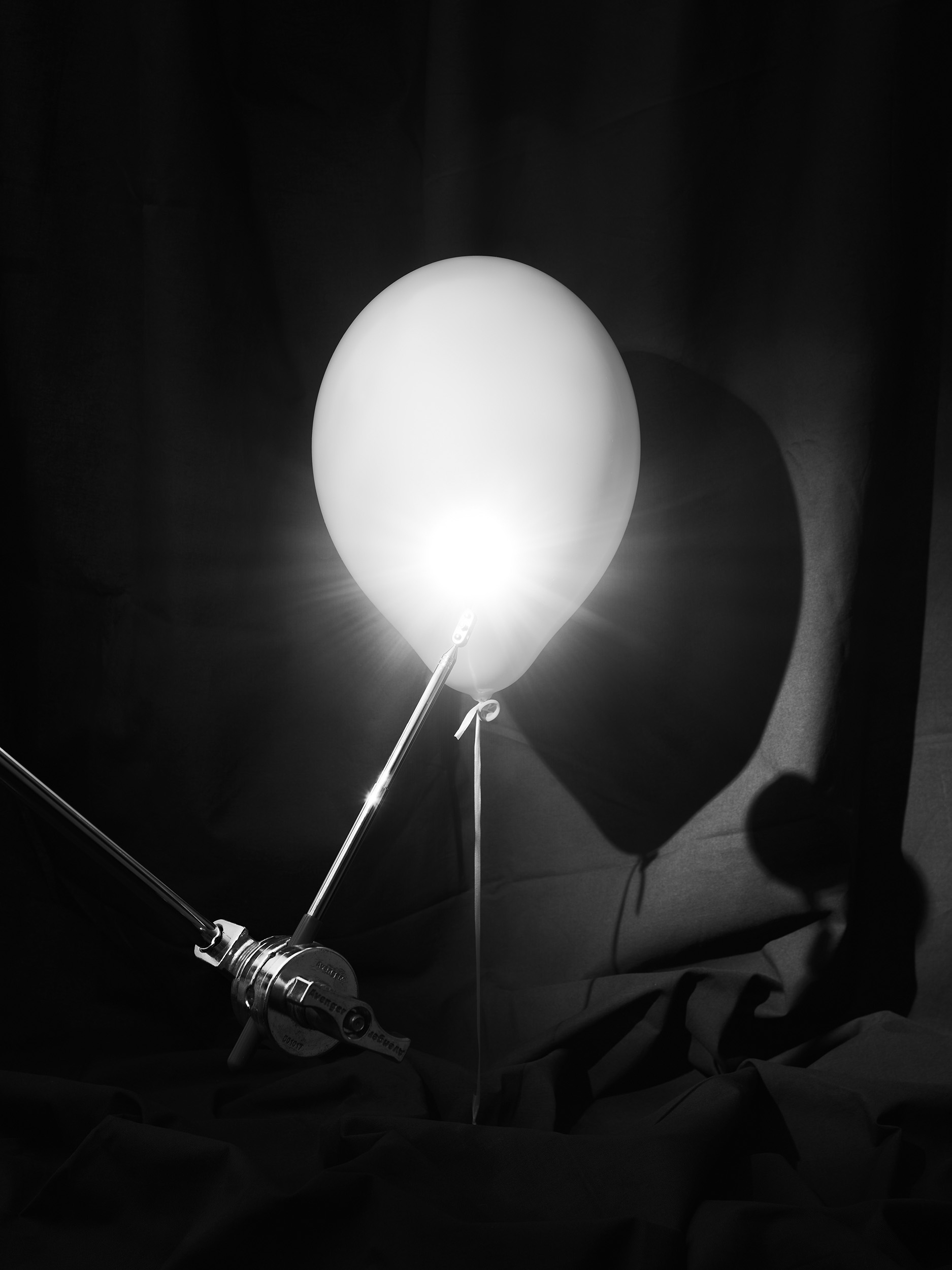
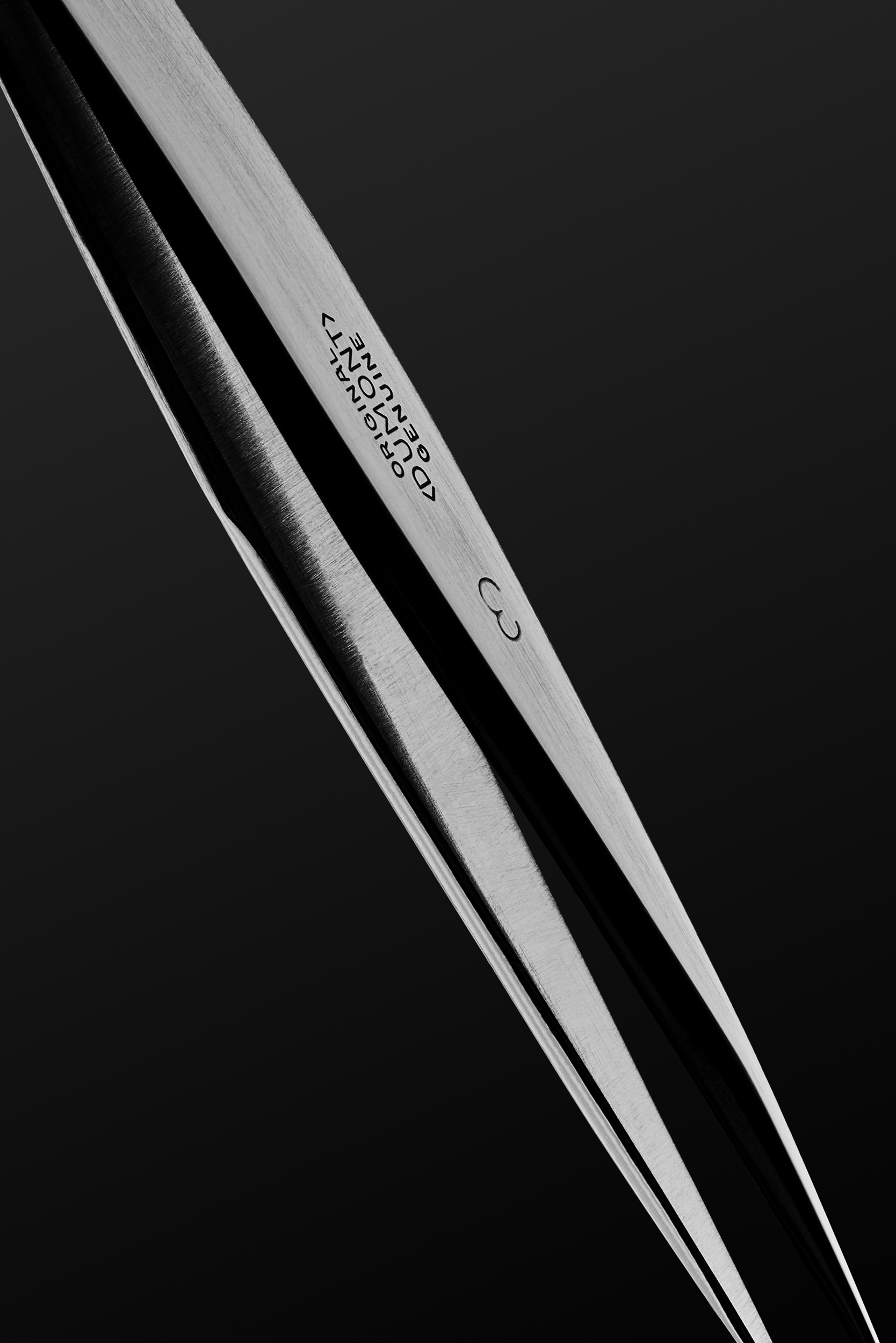
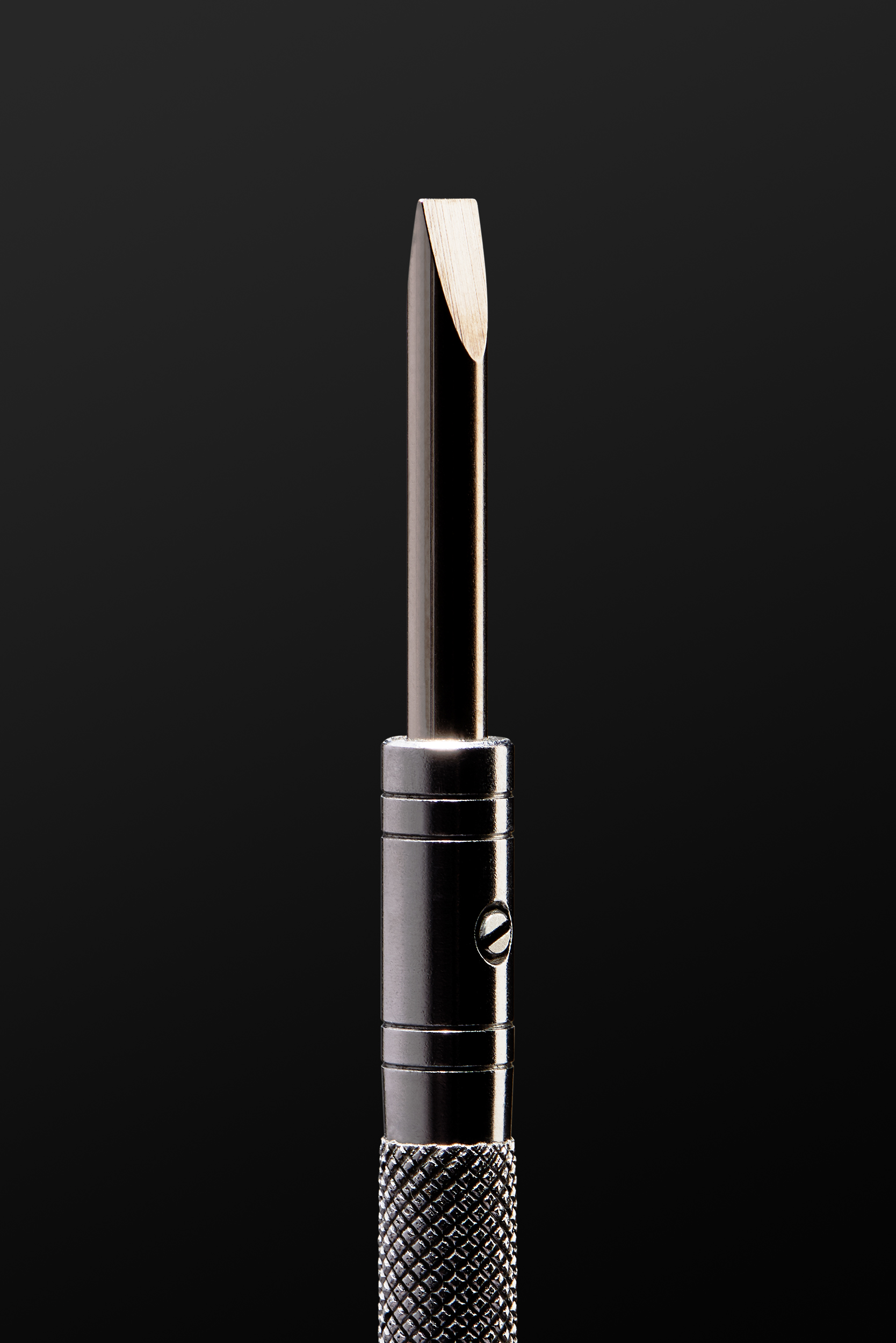
The photographs of the mouse movers in their custom-built crates mark the starting point of the project. In contrast, rigorously composed black-and-white photographs of tools, bits, and consumable materials reference the visual language of New Objectivity. In their clear and precise depiction, work is not narrated but made analytically visible. Conceptually, they connect once again to Simondon’s thesis, as each of these elements was involved in the fabrication of the apparatuses.
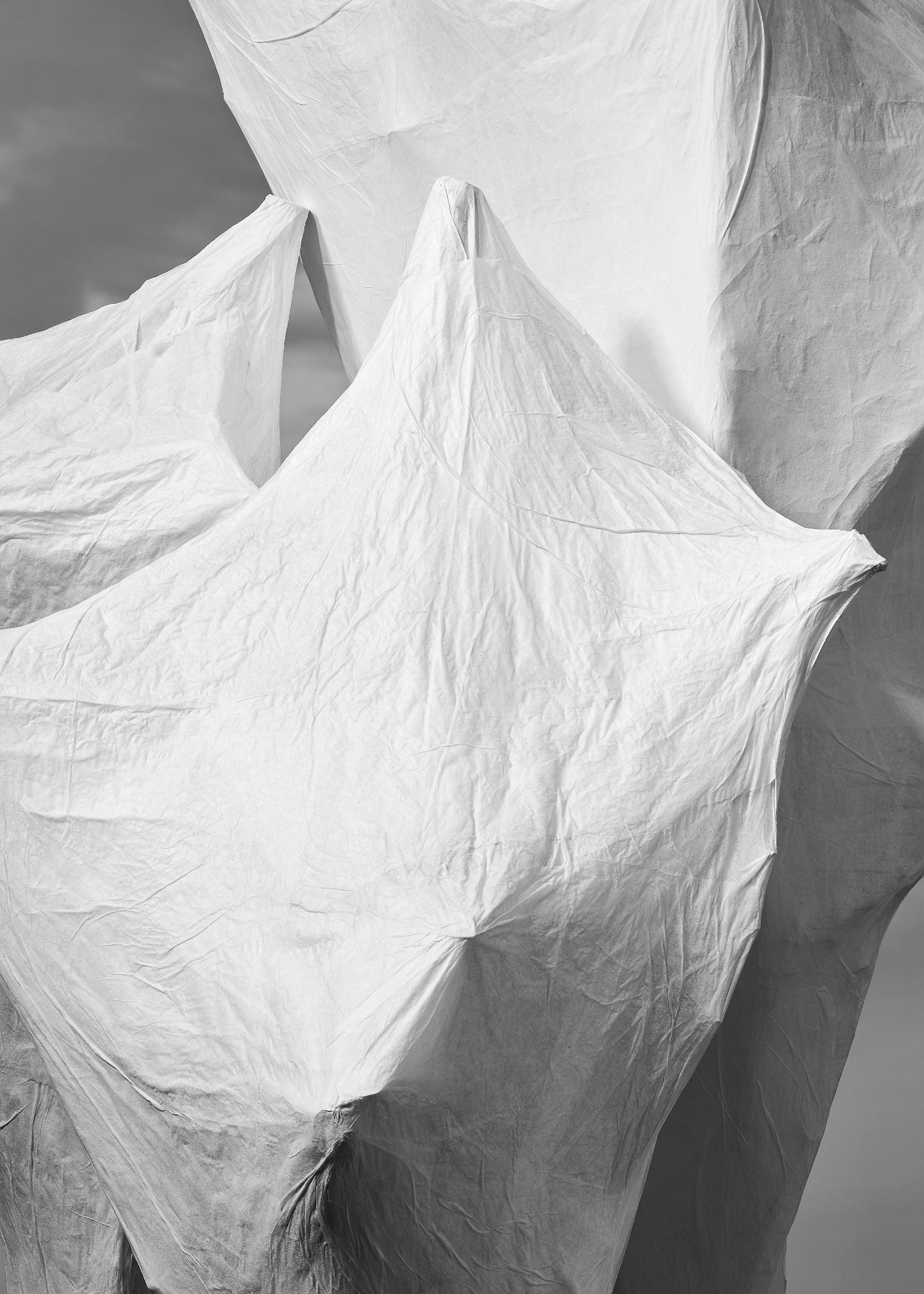
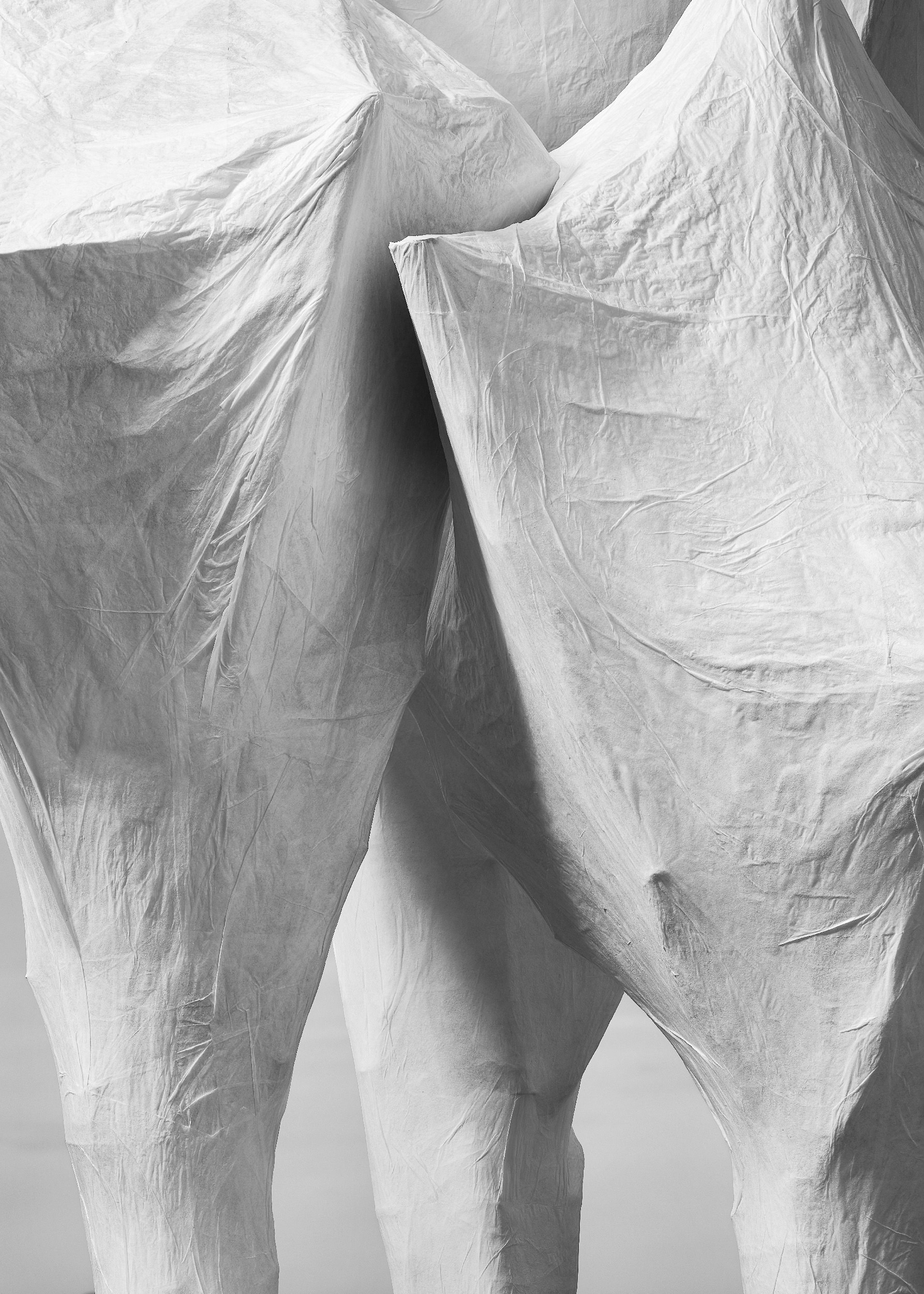
Handle with Care positions itself at the intersection of sculpture and photography, examining the relationship between image, object, and process. The design and production of the apparatuses are incorporated as integral components of artistic practice. Work is not told as a story but rendered analytically visible—as a collective process composed of many interconnected, partly repetitive actions. The apparatuses appear in an in-between state—neither active nor obsolete—as temporarily decoupled objects in storage that functions simultaneously as archive and space of possibility. Oscillating between visibility and concealment, they emerge as relics of a recently reversed state of exception. The photographs understand themselves as visual excerpts within an ongoing working process, reflecting community as a fragile and shifting structure shaped by the relationship between human beings, technology, and control.
Drive-by
Drive-by is an exploration of the visual recording — of a linear perception of time in the form of one single image. The images in the Drive-by series address the aspect of the fragment as the result of a compressed snapshot. Taken with a mobile phone from a moving car, they show passing cars and street scenes that seem strangely deformed and reminiscent of collages. In fact, they describe the attempt to concentrate the moment of passing in an image.
The realisation was done with the help of the panorama function in the smartphone. With the help of this technique it is possible to shoot a panorama easily with the smartphone by turning it around a static camera position. The shots for Drive-by were taken from a moving point of view, as a result of which the individual shots could not be adequately put together to form a coherent overall picture. The result shows that only fragmentary picture elements could be assembled. Empty spaces are created, some of which have to be filled with inappropriate content.
The term drive-by has its origin in American organised crime at the beginning of the 20th century. It describes the moment when a victim is shot at from a moving car or from the passenger seat of a motorbike. The most famous acts are probably the murders of the two musicians Tupac Shakur (2Pac) and Christopher Wallace (The Notorious B.I.G.) in the 1990s. Due to the sudden occurrence and the short reaction time, the killers often remain undiscovered and the memories of eyewitnesses fragmentary.
In German legal terminology, there is a category of witnesses called bang witnesses. They perceive a chronological event only from the moment of a bang, for example a gunshot. Only this impulse makes them witness an event. Nevertheless, the witnesses often claim to have followed the entire event. Thus, one has to assume that the memories before the impulse clearly deviate from what actually happened and the composition of several witness statements provide a fragmentary picture.
In contrast to the film, the photographs from Drive-by leaves the viewer room for interpretation. The moment is not recorded in chronological order, so it does not allow the viewer to recapitulate what they have seen. Rather, one begins to assemble the individual snippets into a location in order to draw conclusions about what happened or could have happened there.
Growth
Growth – Space
Growth – Landscape as an object
Cognition
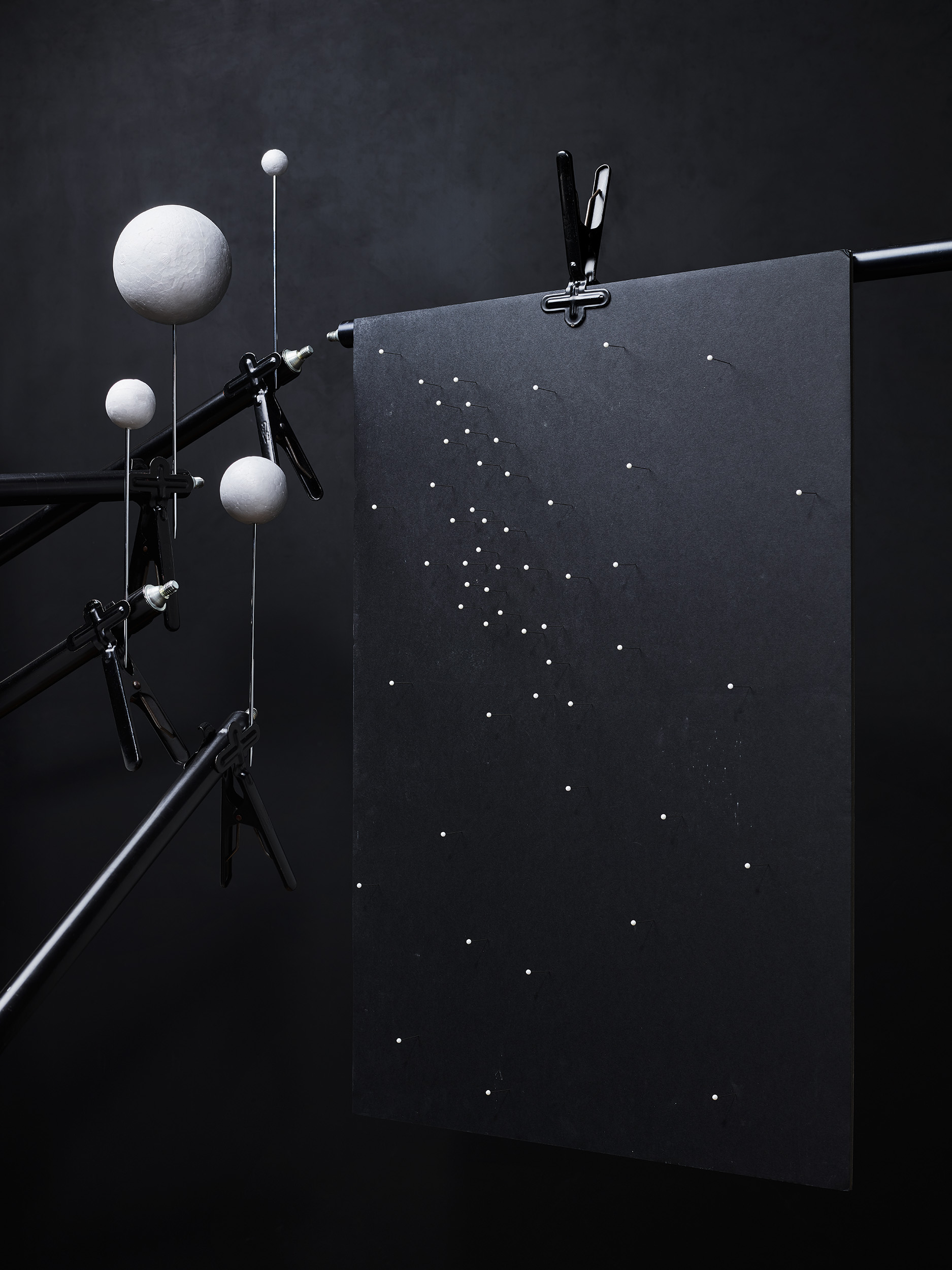
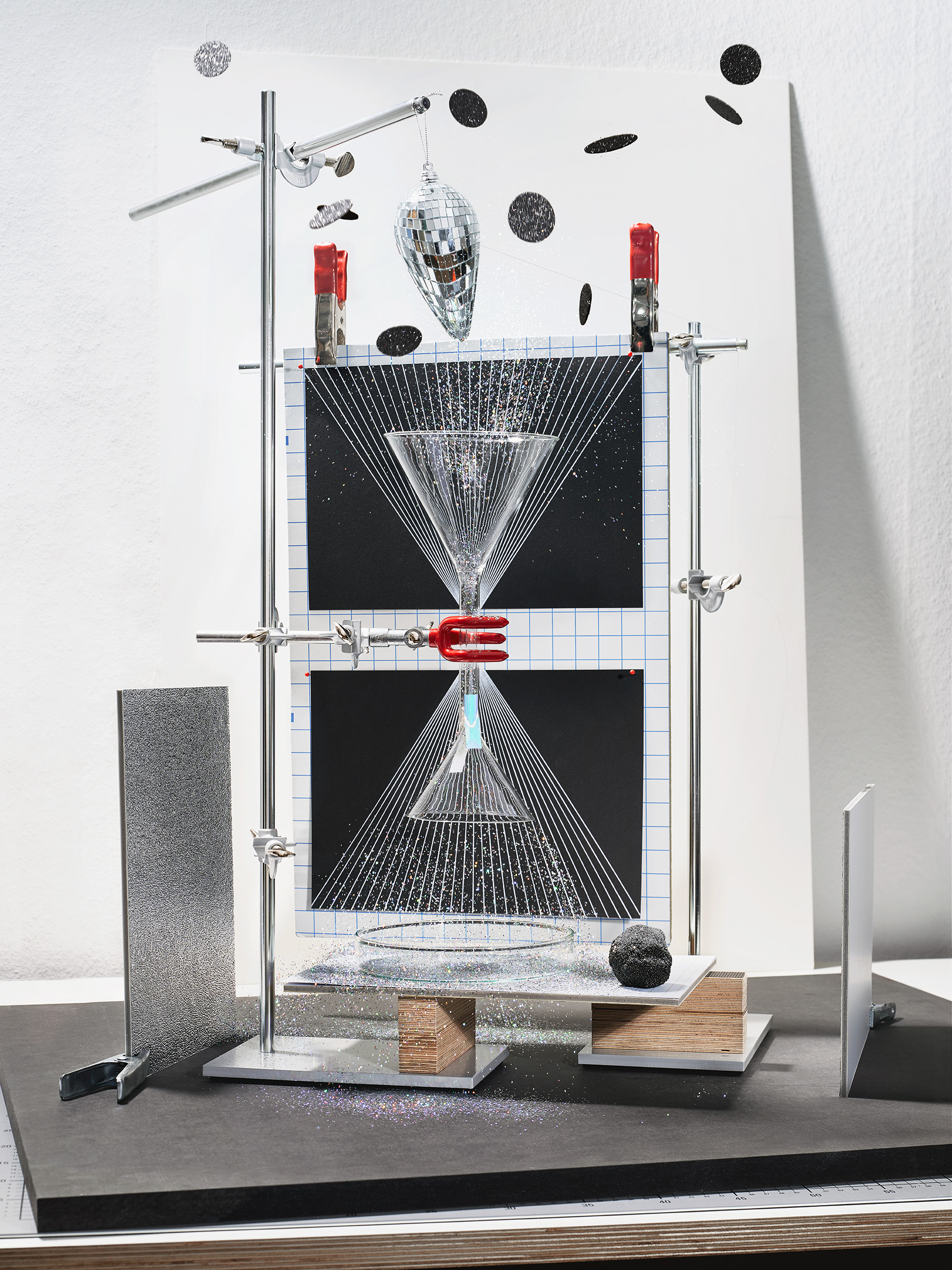
In what way does human sensory perception take place in a high-tech world for connections outside of what is apparently possible?
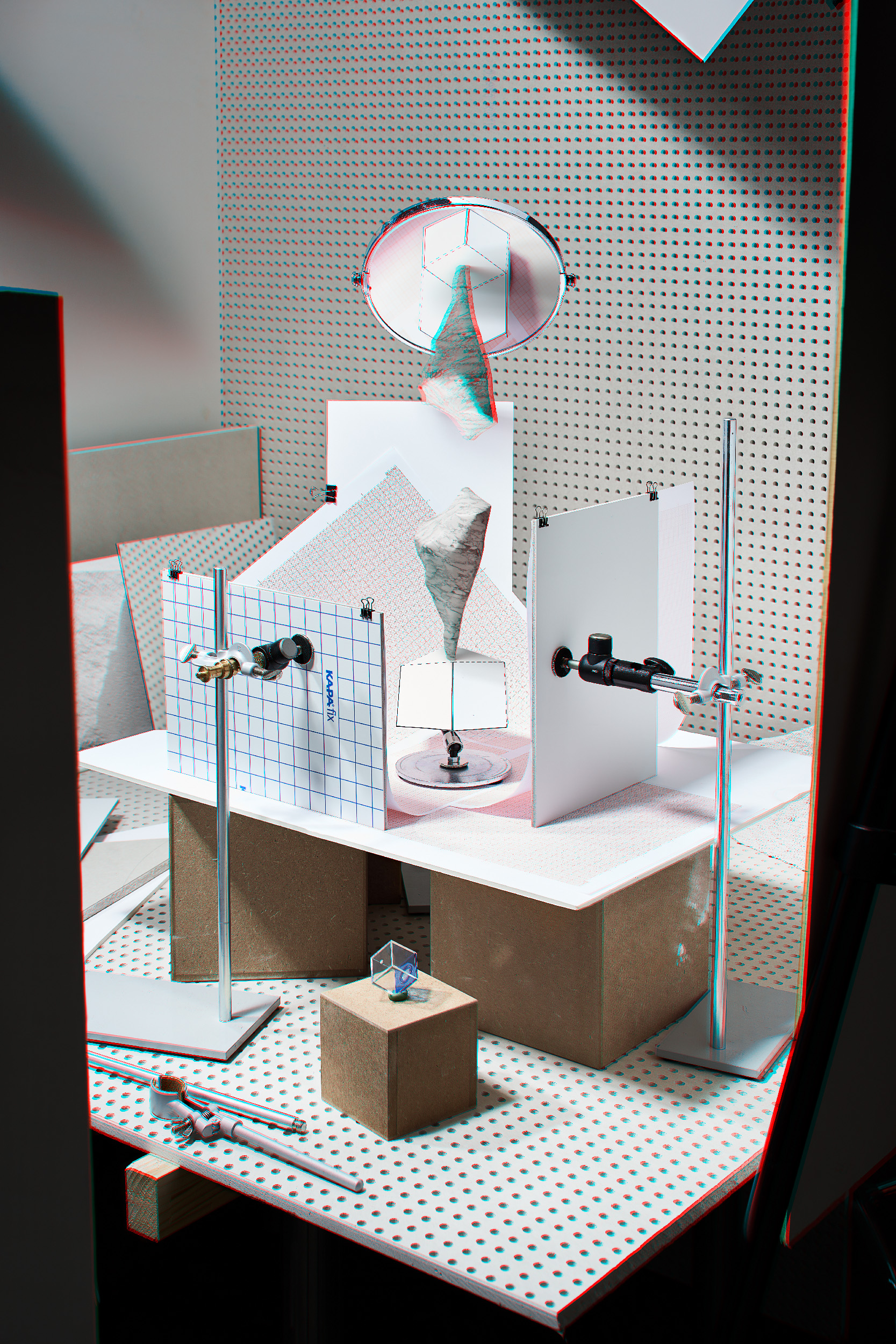
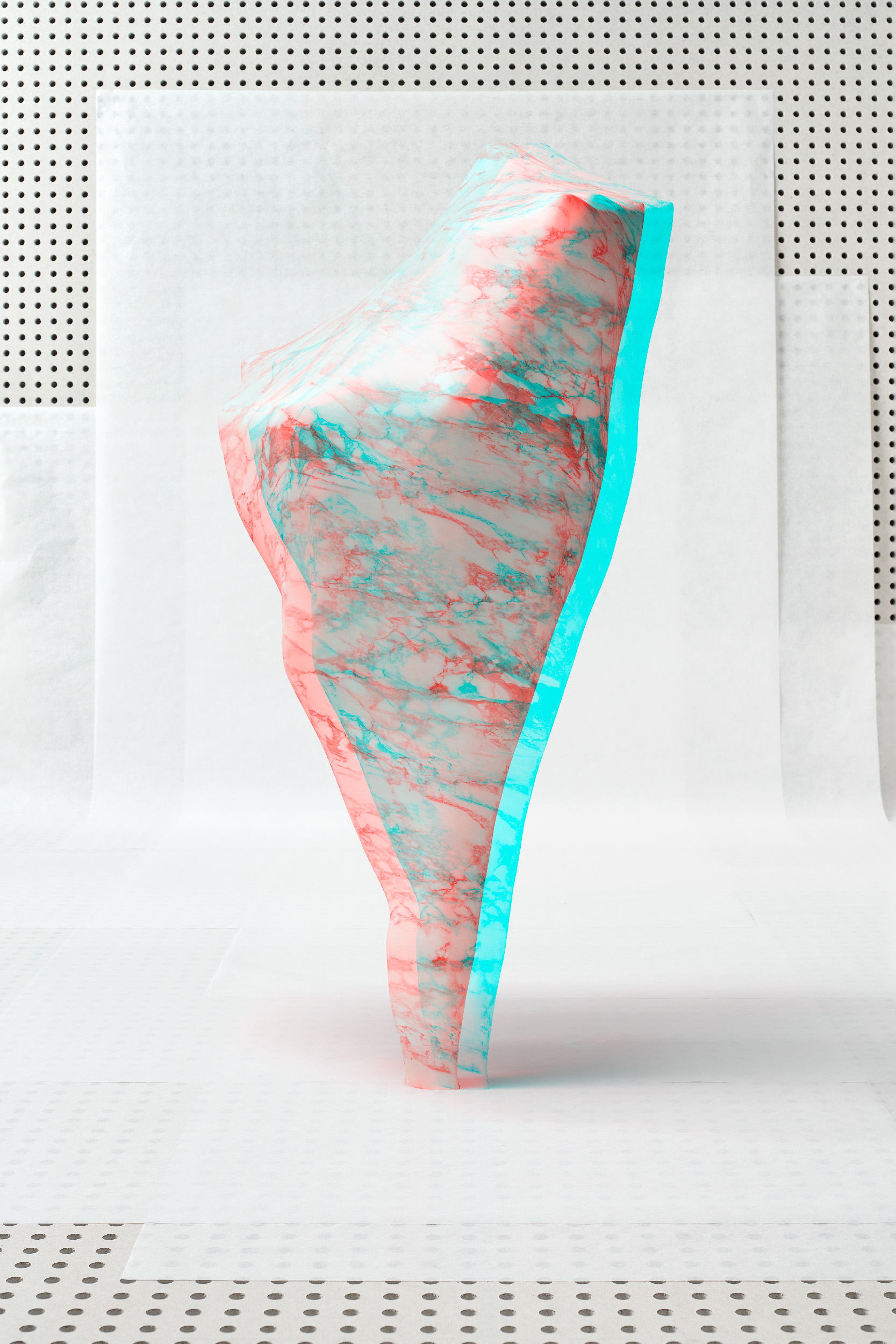
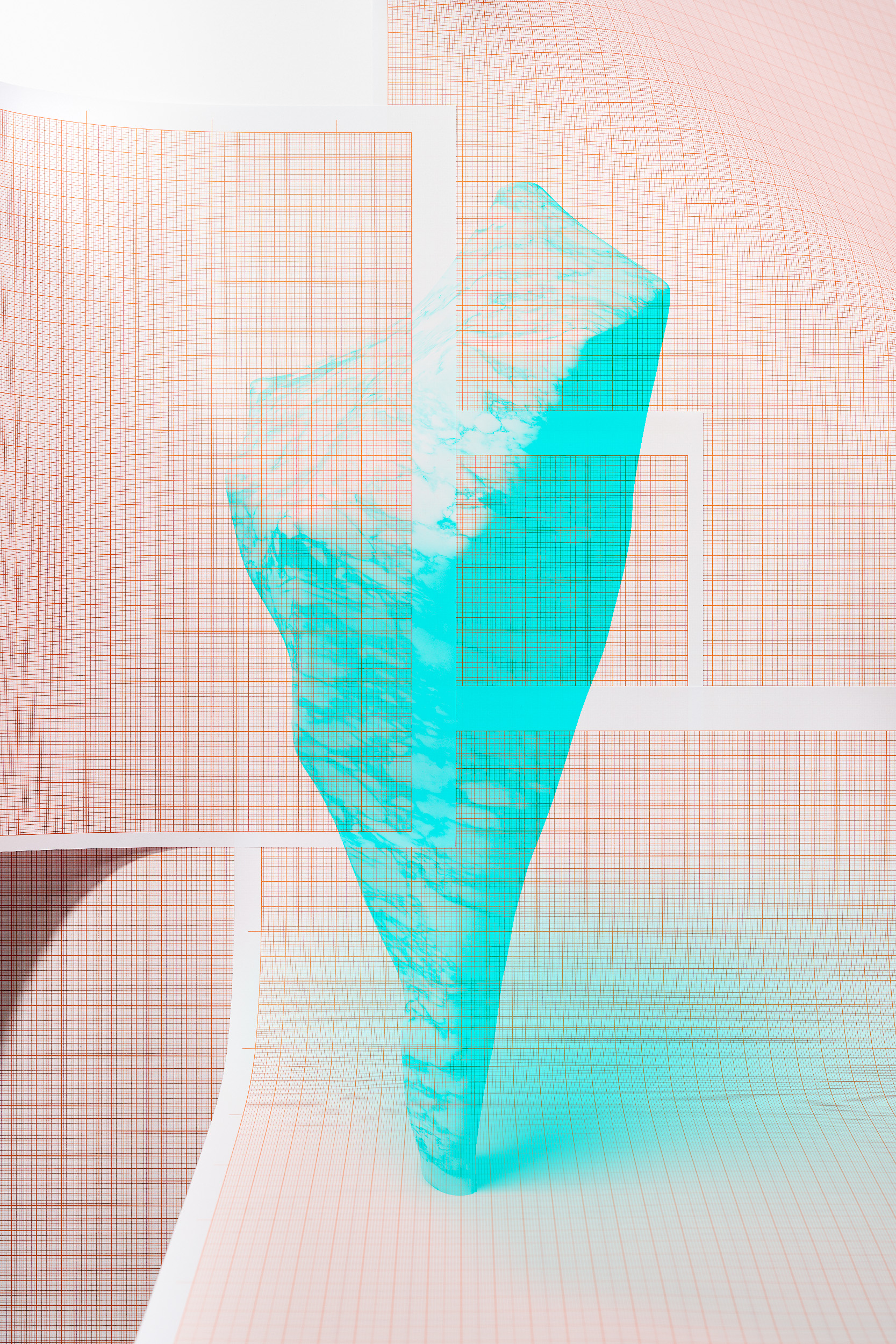
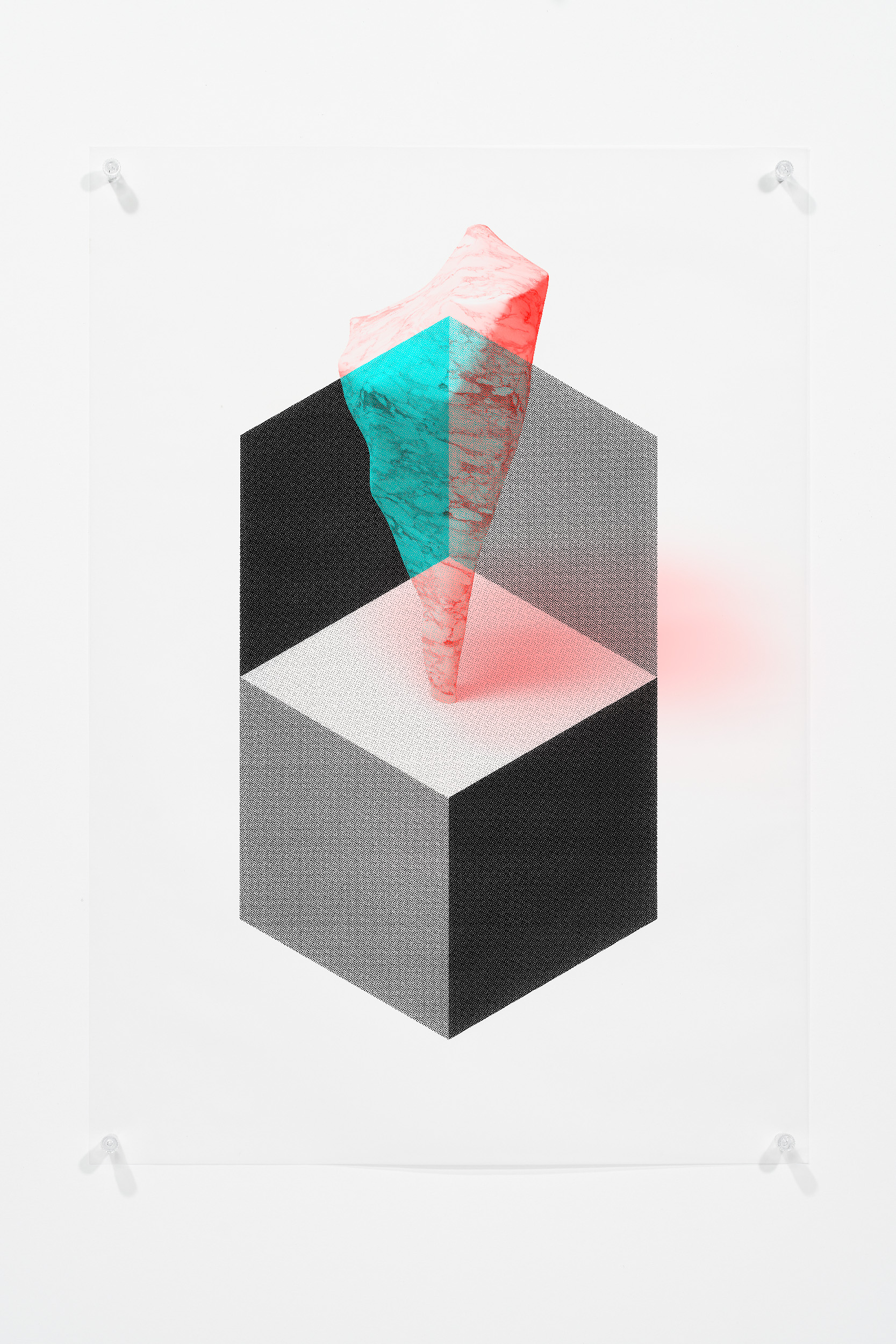
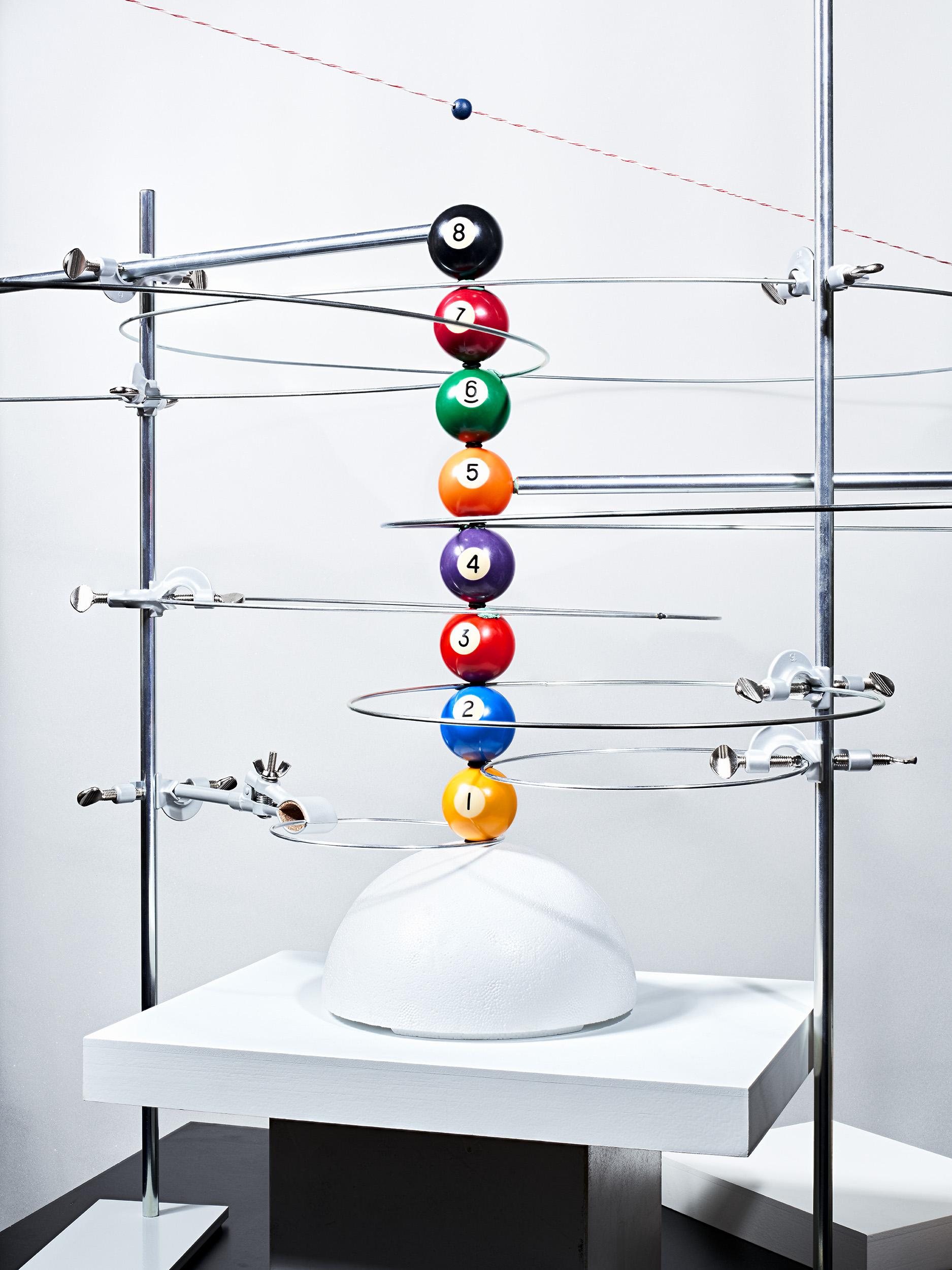
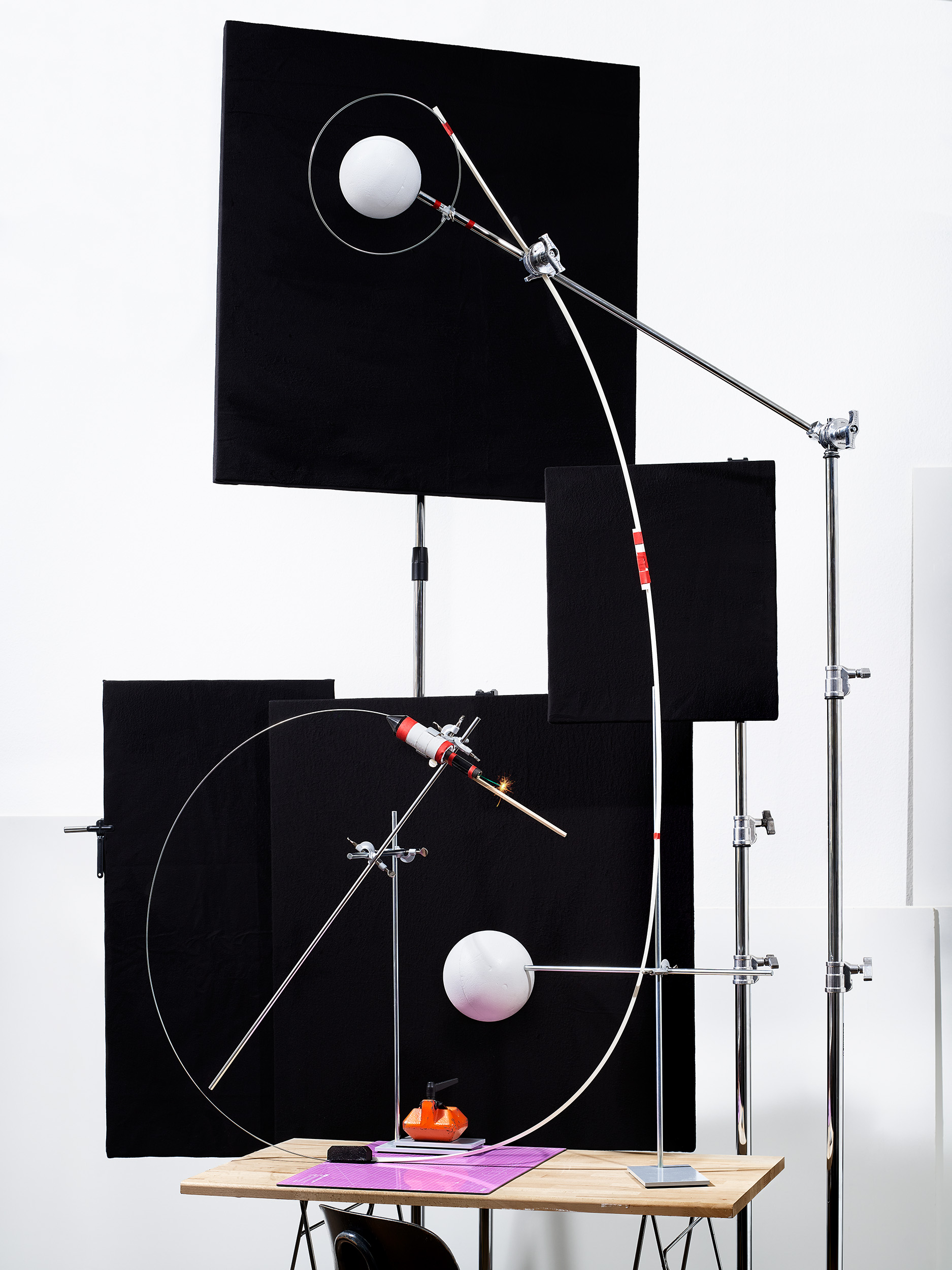
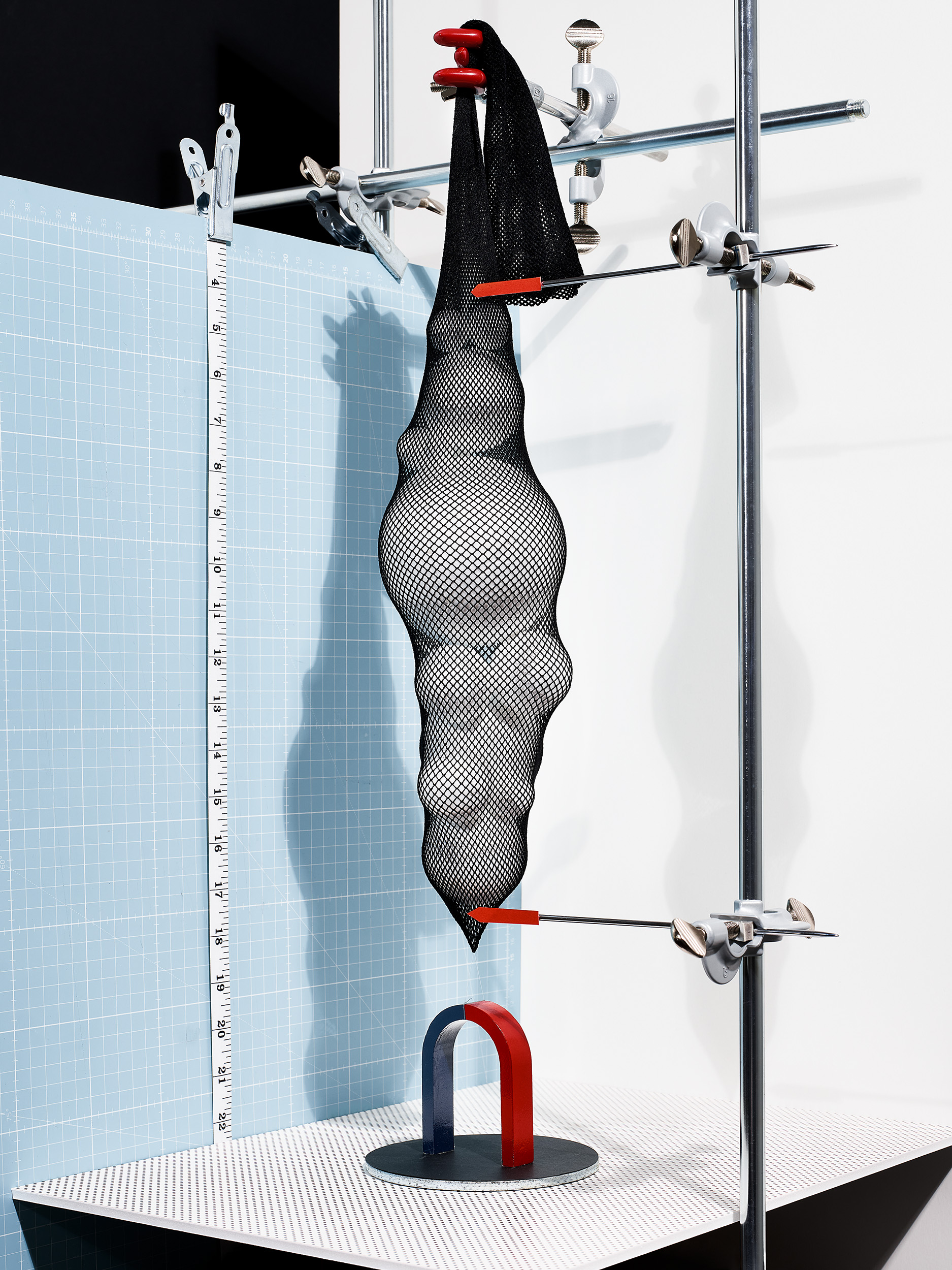
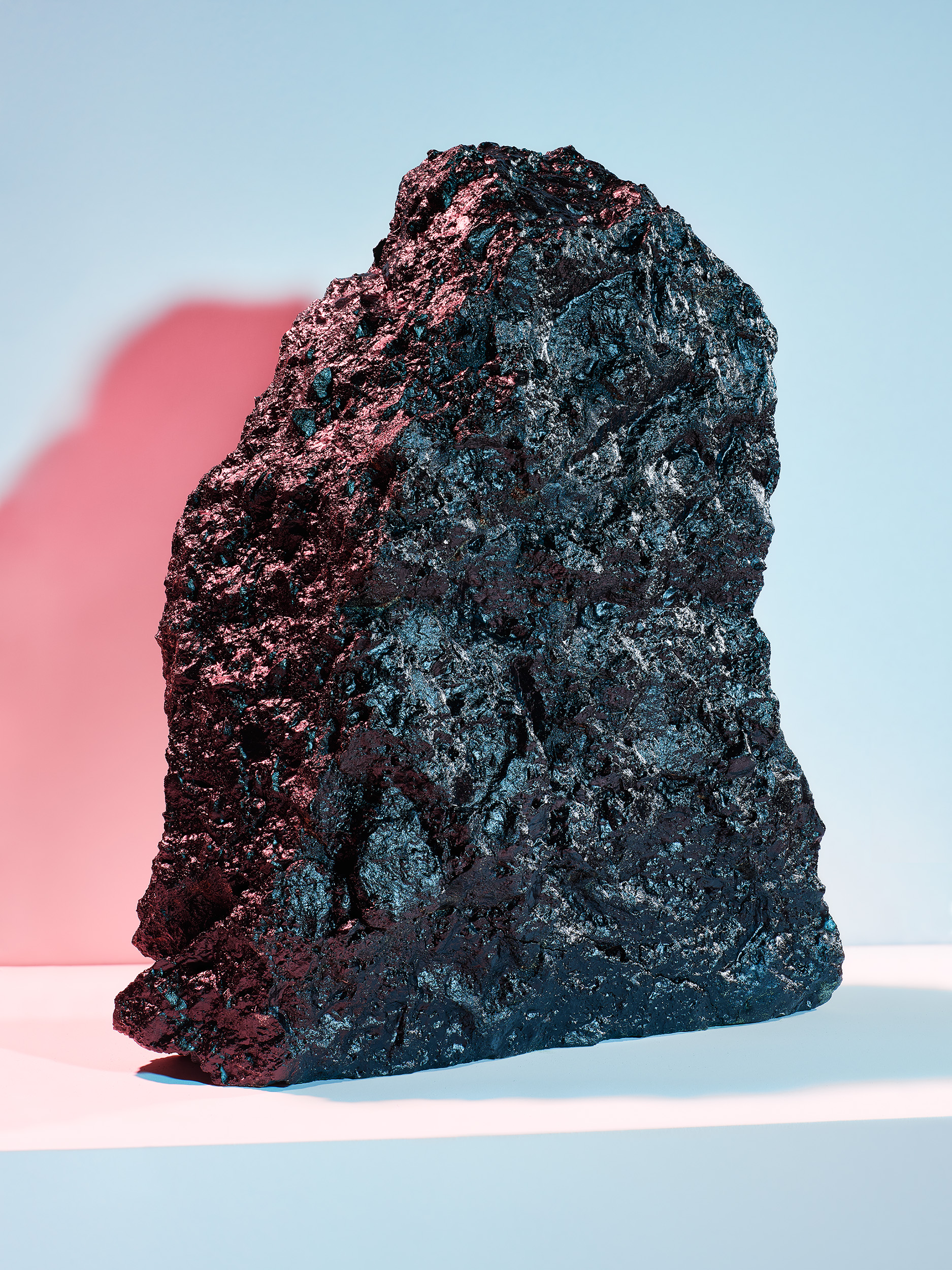
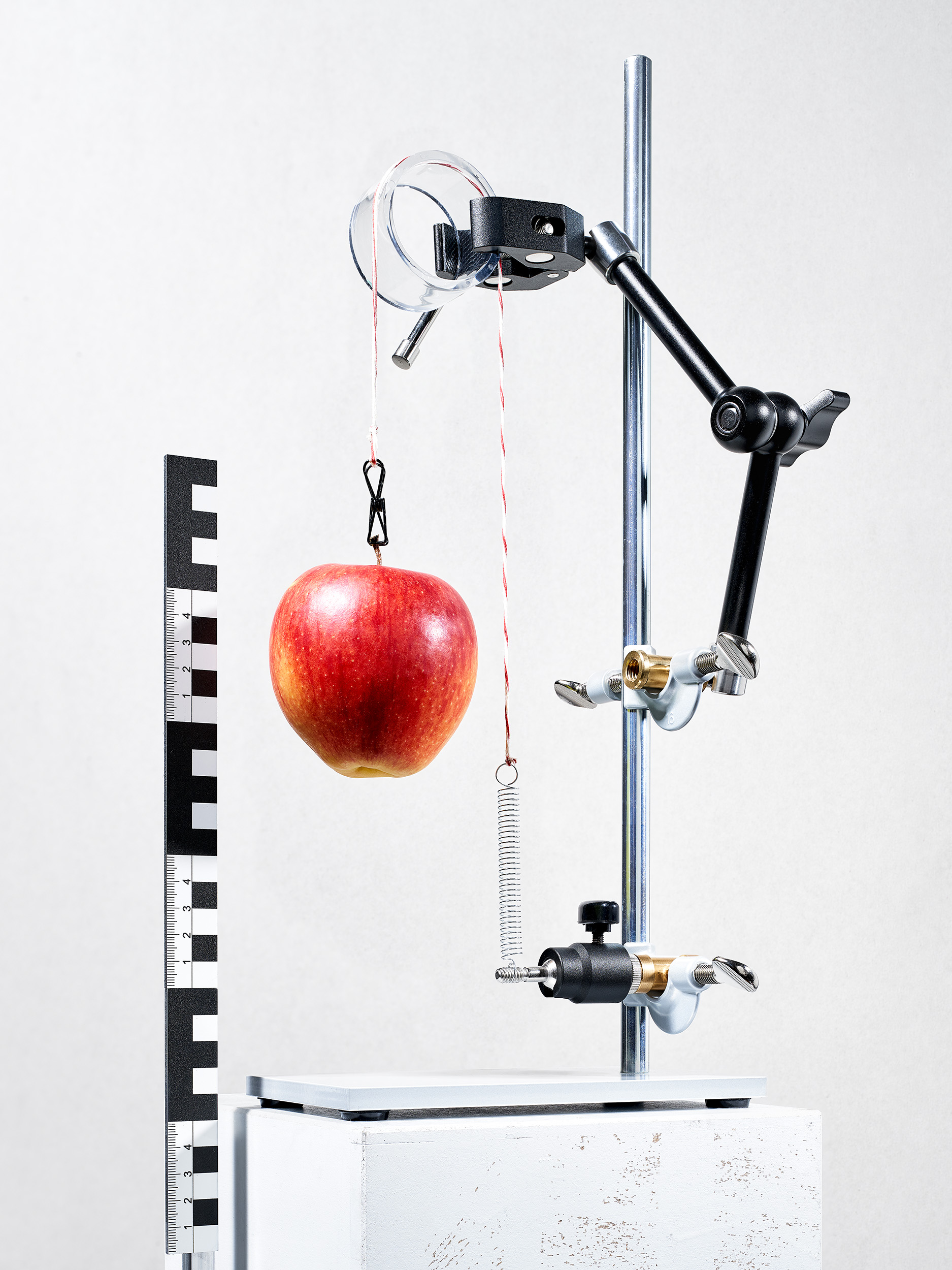
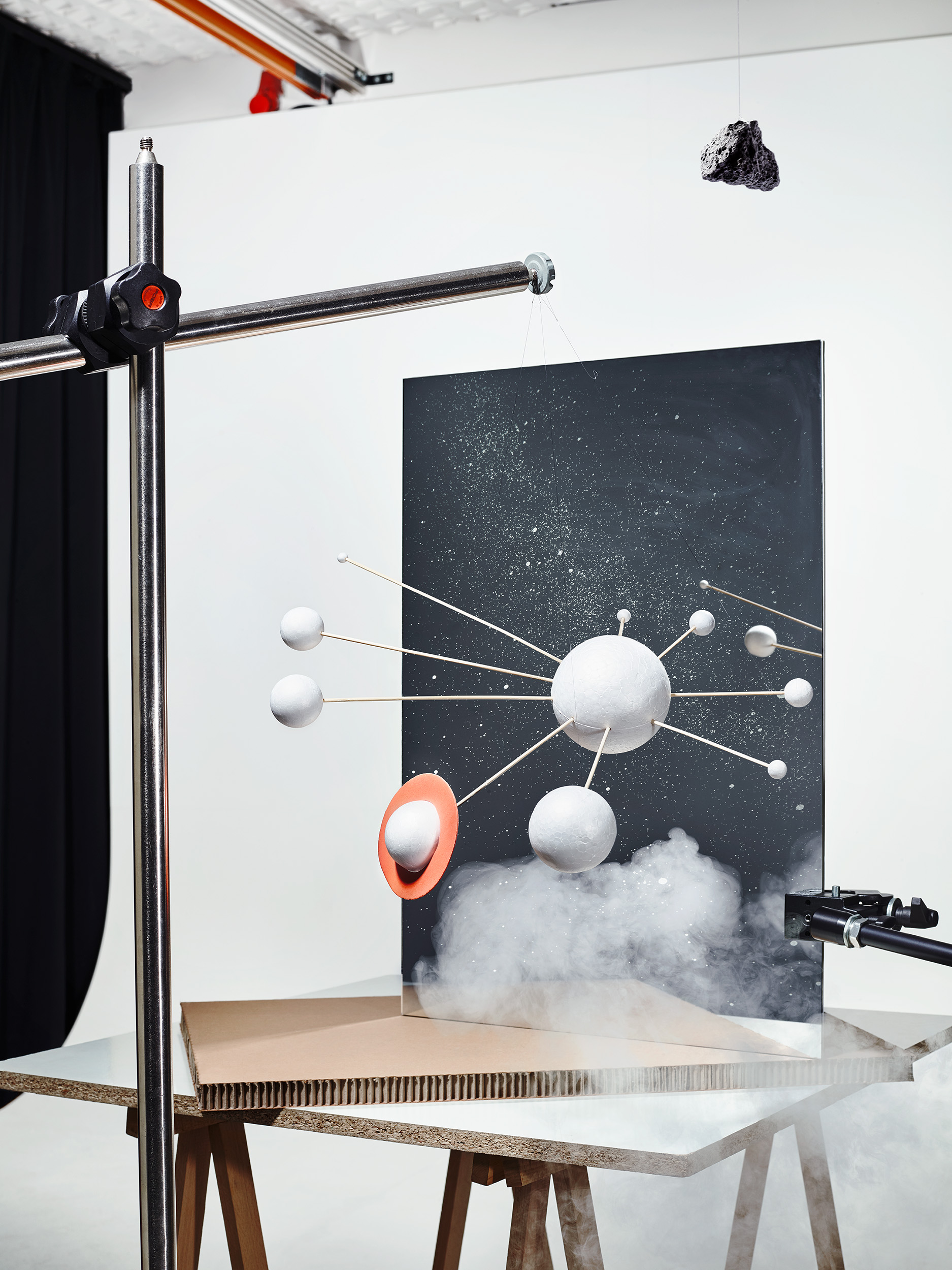
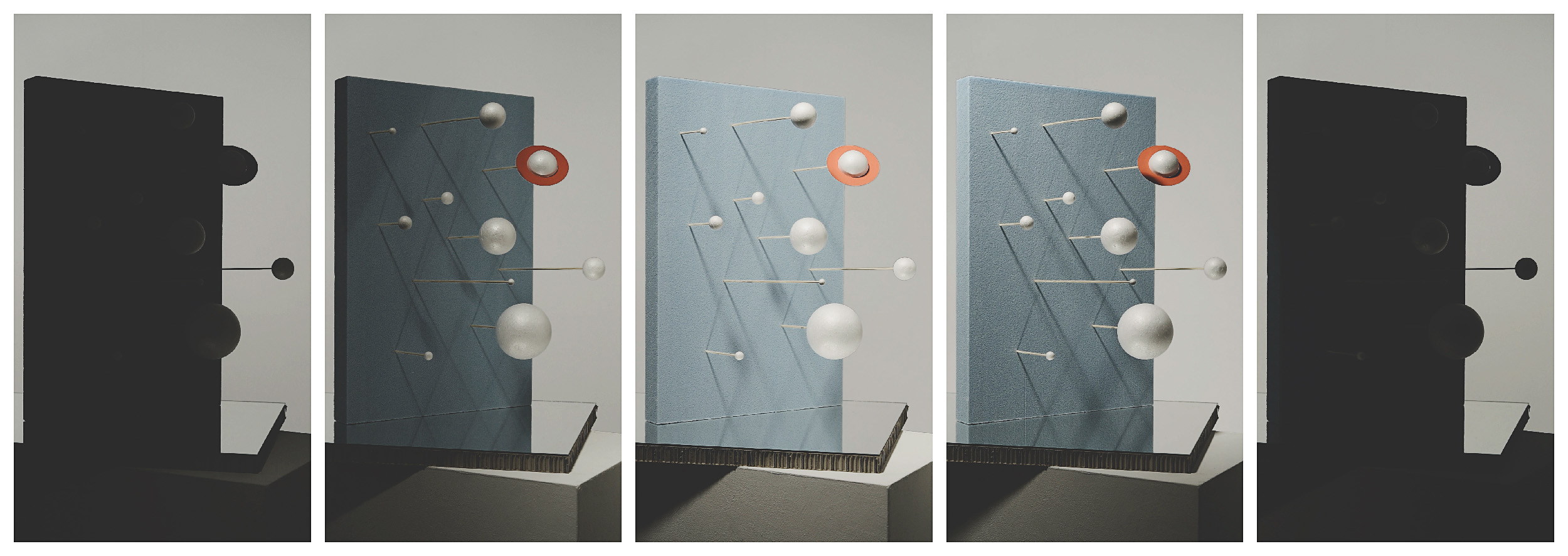
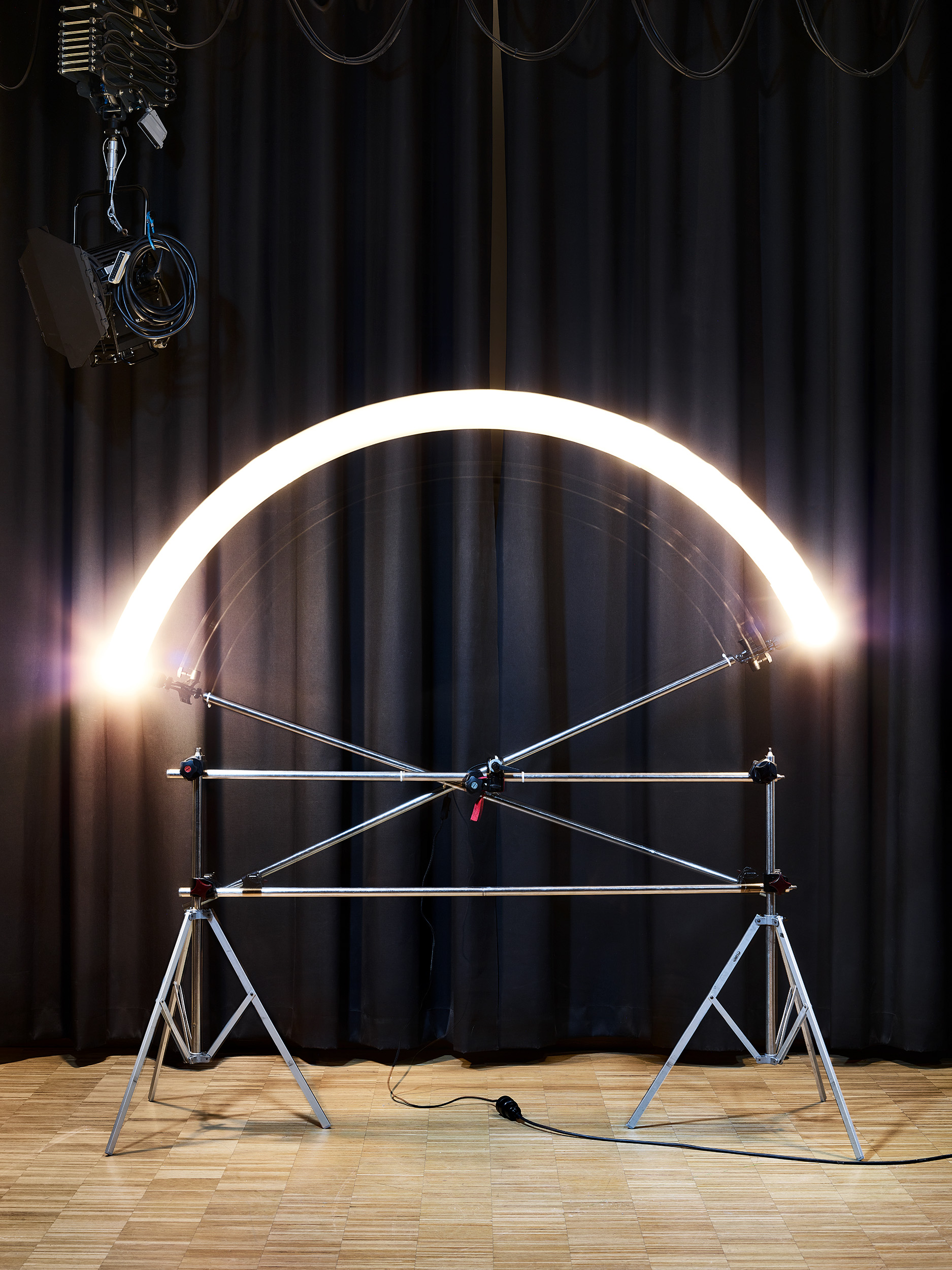
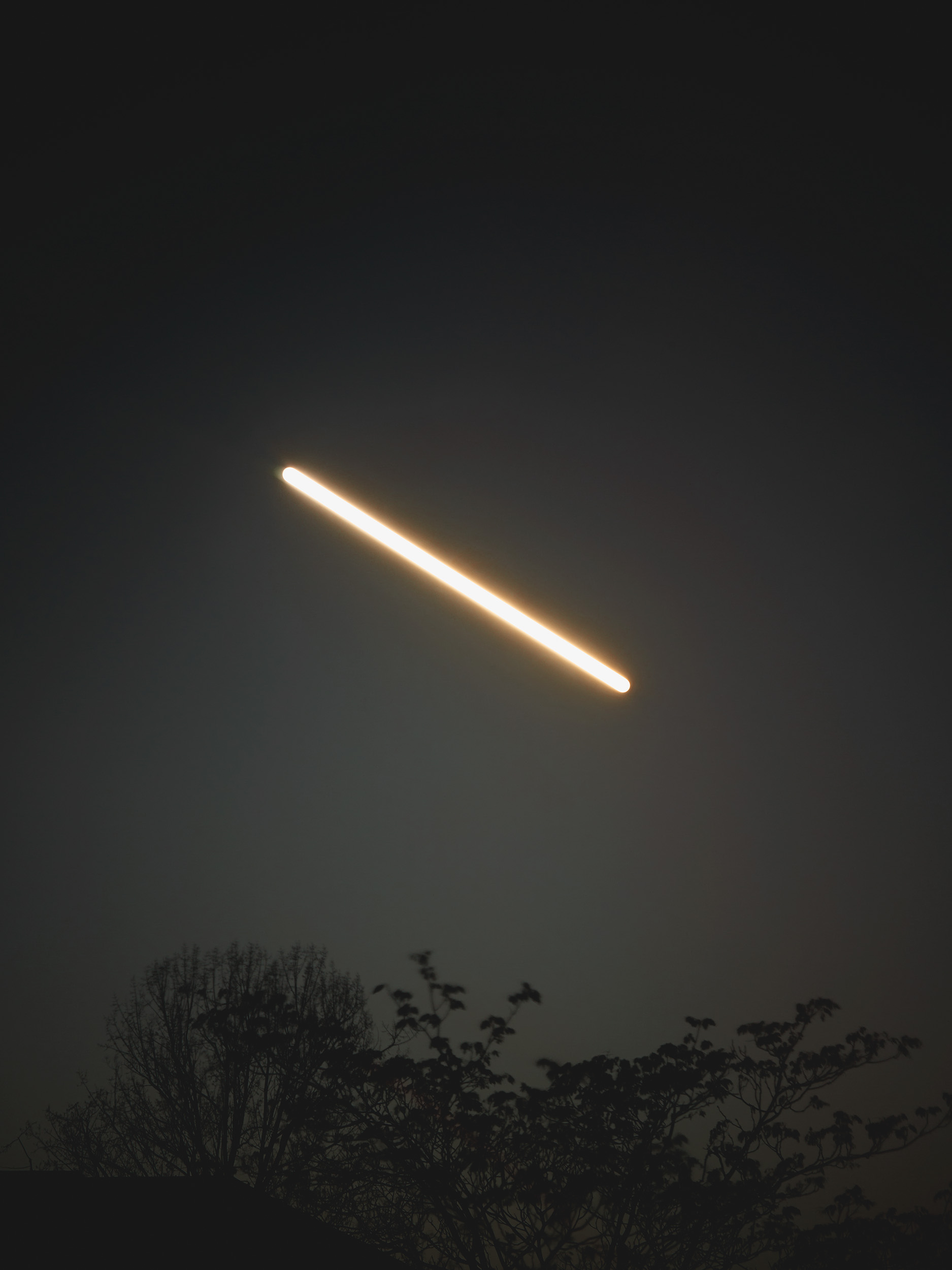
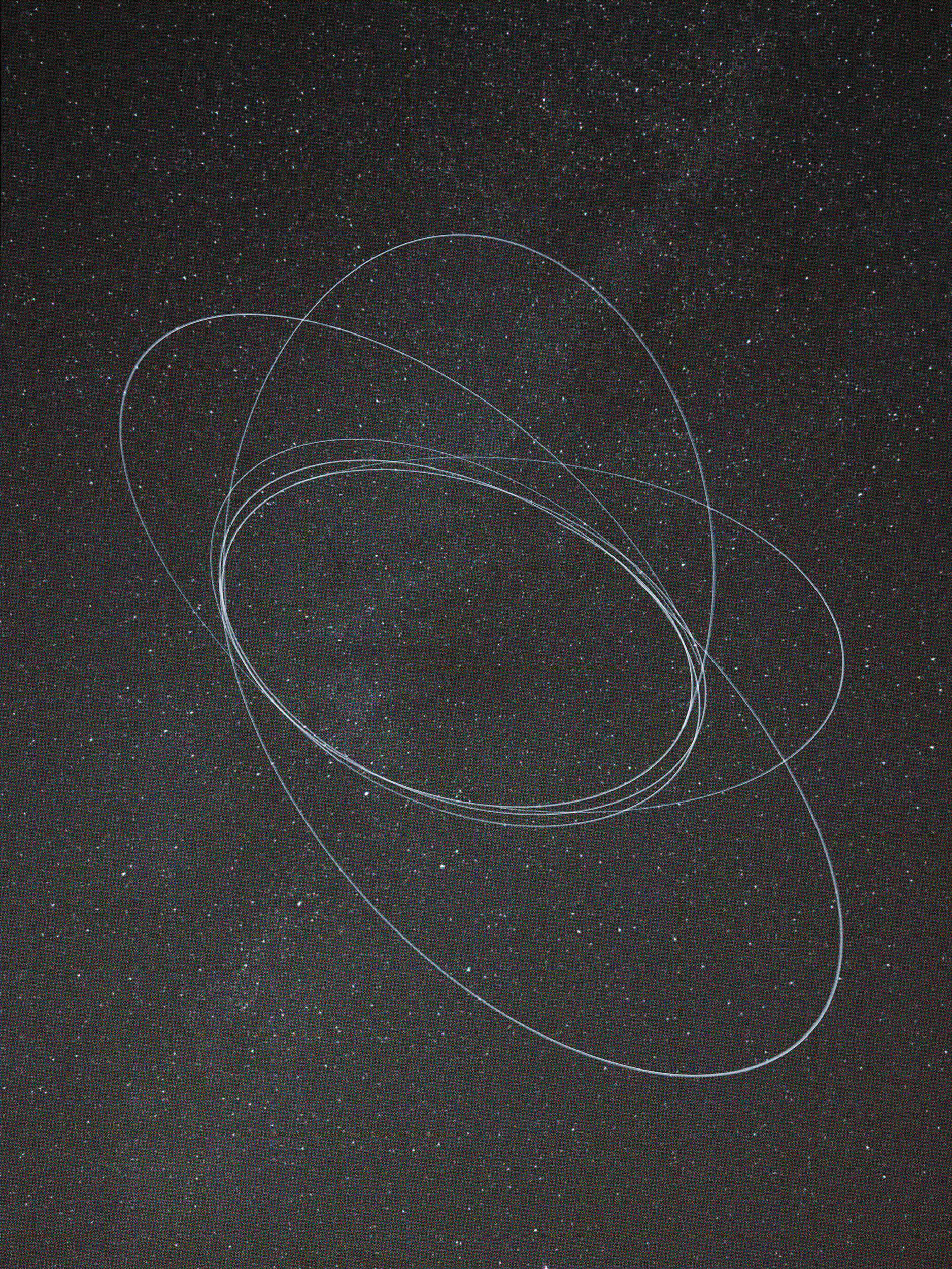
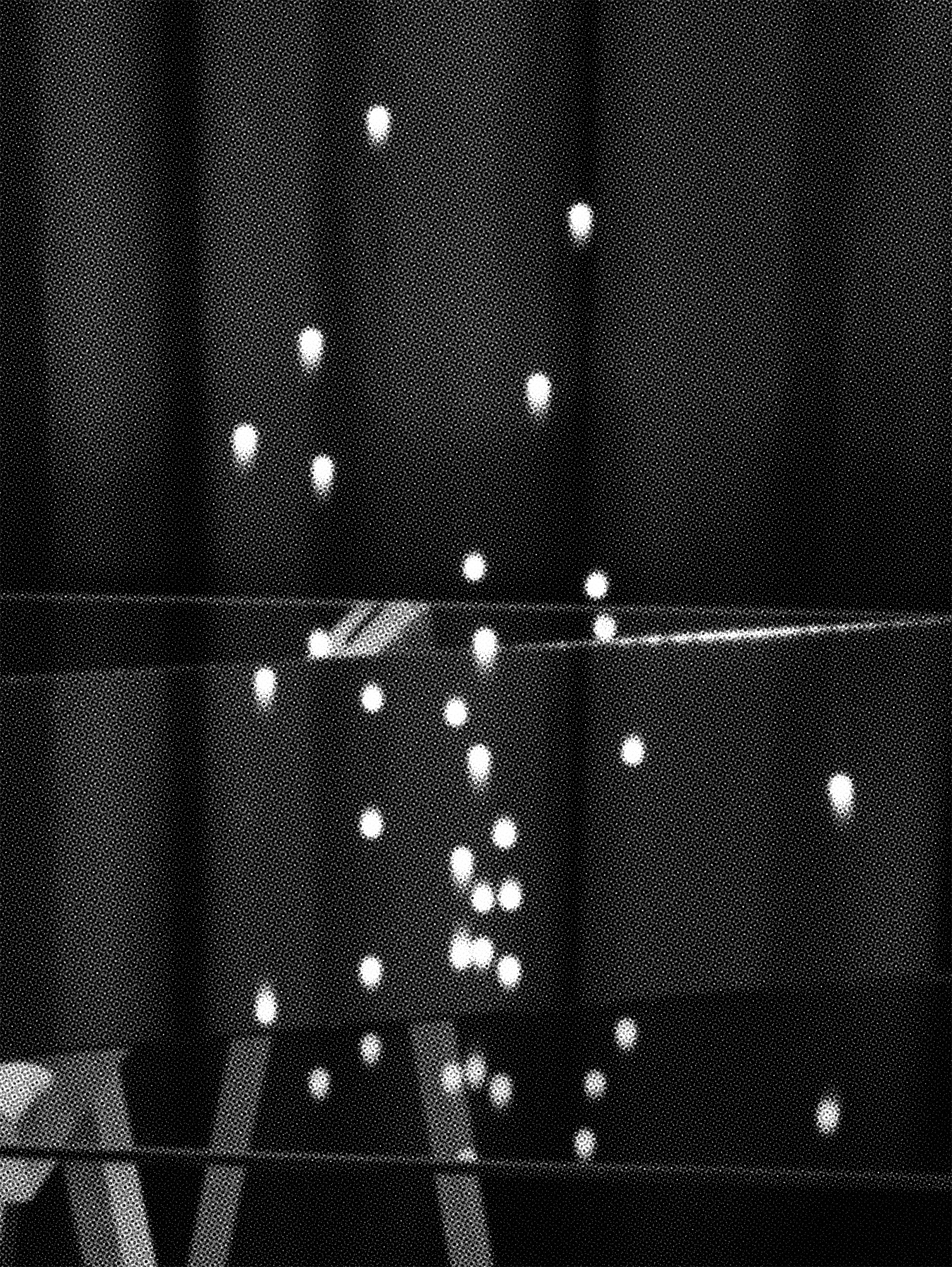
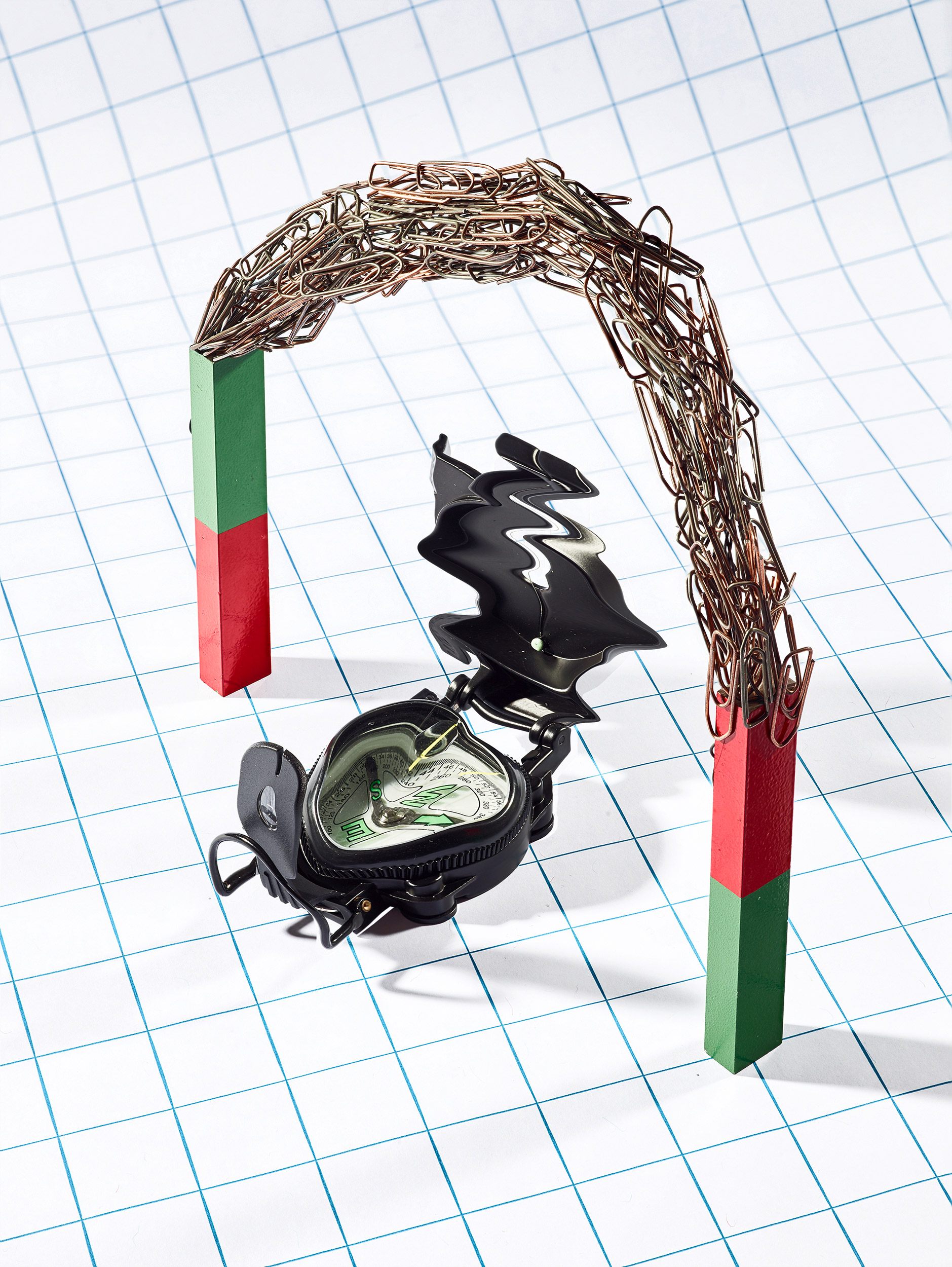
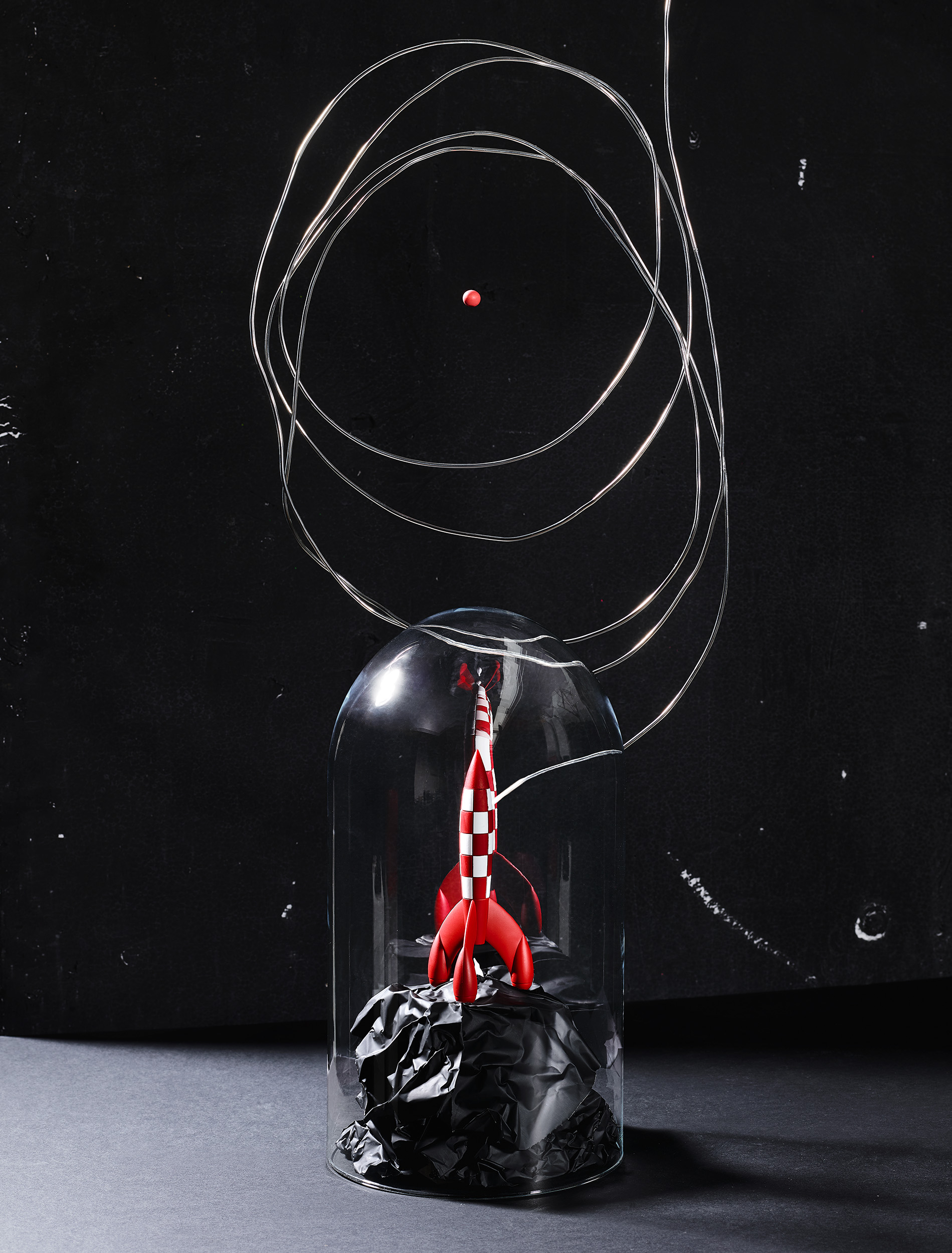
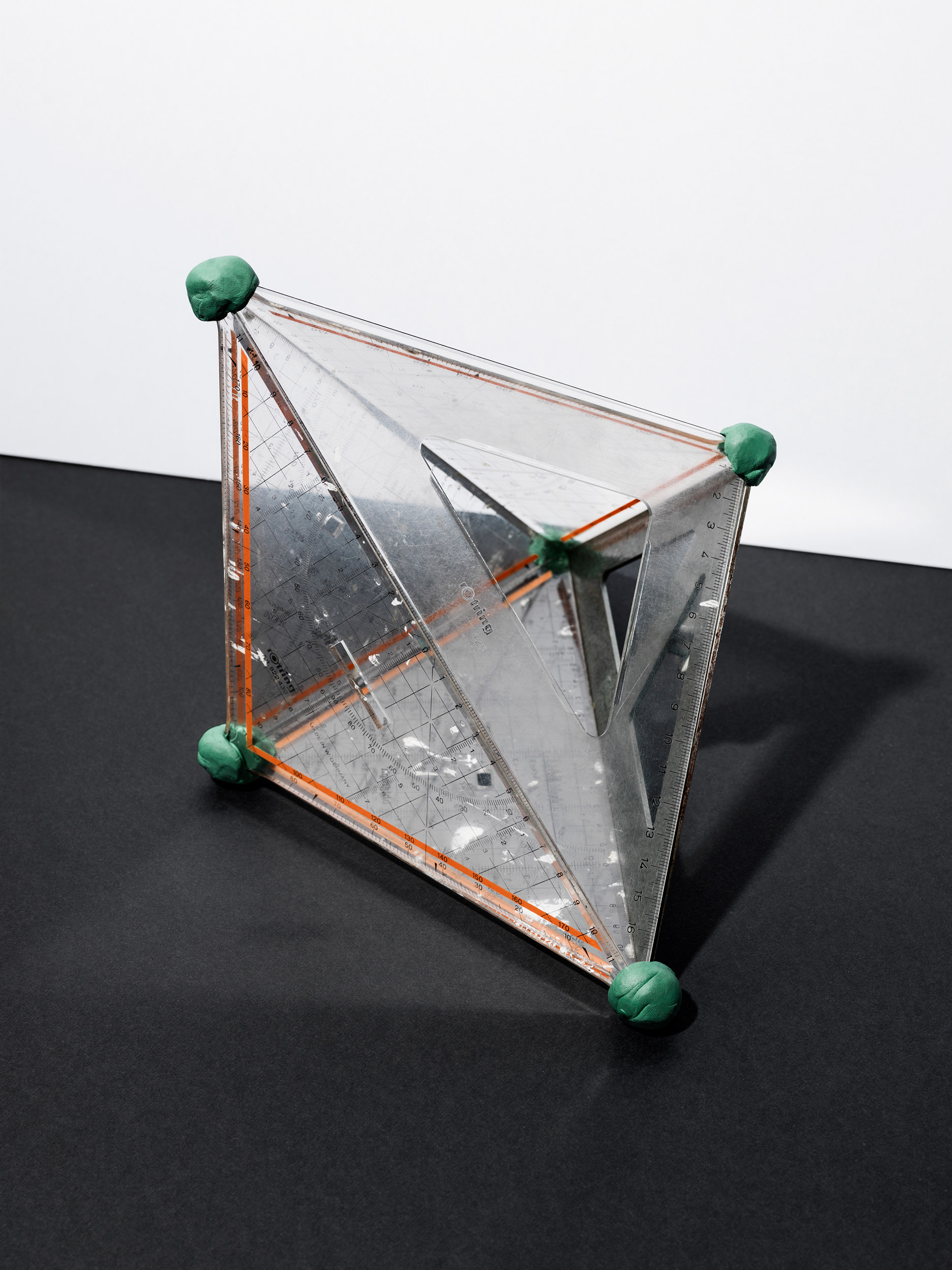
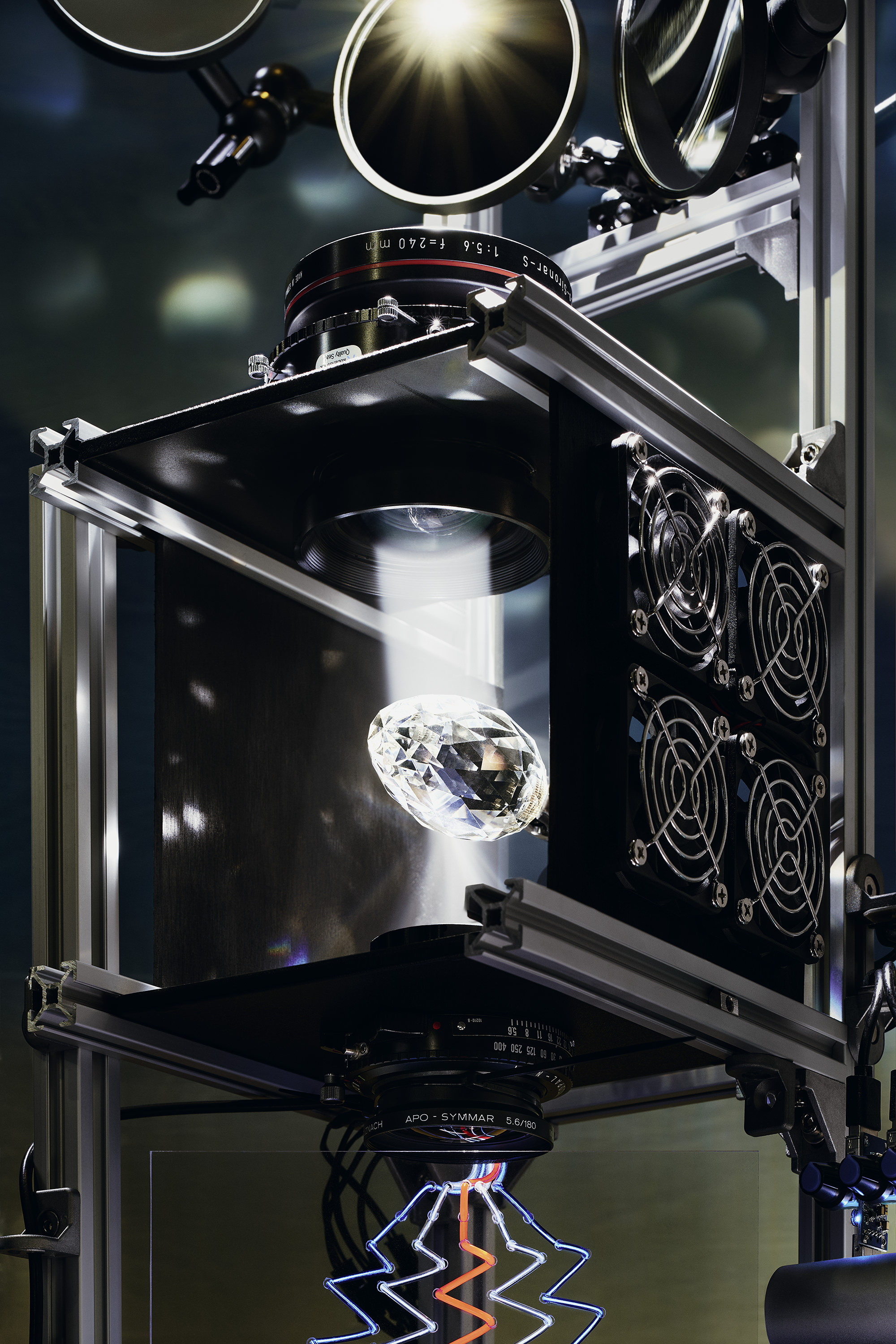
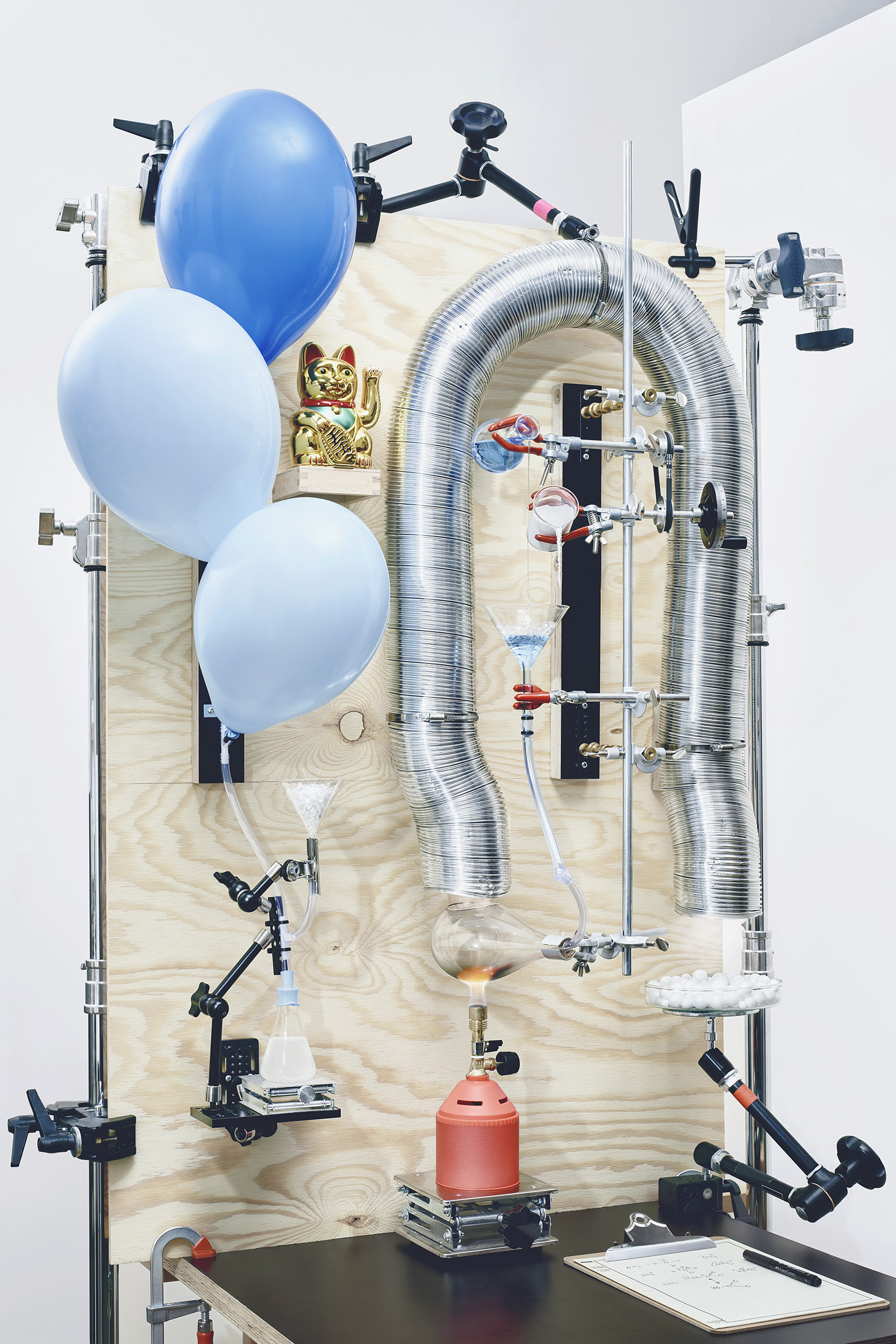
Perception is first of all the recognition of an object or state in our immediate environment with the help of our 5 senses. With the help of technical devices, we can exceed the limits that are set biologically for us and expand them many times. The perception of such, invisible subjects and states therefore often first takes place in an abstract way with values that are assigned to certain parameters and can be visualized based on this. The clear way of representing values is in a graphic, drawing or a scaled model. Since size relationships play a decisive role here, in some cases you are forced to not display the relationships of objects proportionally to one another in order to be able to ensure that they are clearly recognizable. The series “Cognition” deals with this topic by using terms from the fields of physics and astronomy and presenting them in simplified models, build with daily objects and studio equipment.
Sketchbook
Artificial Landscapes
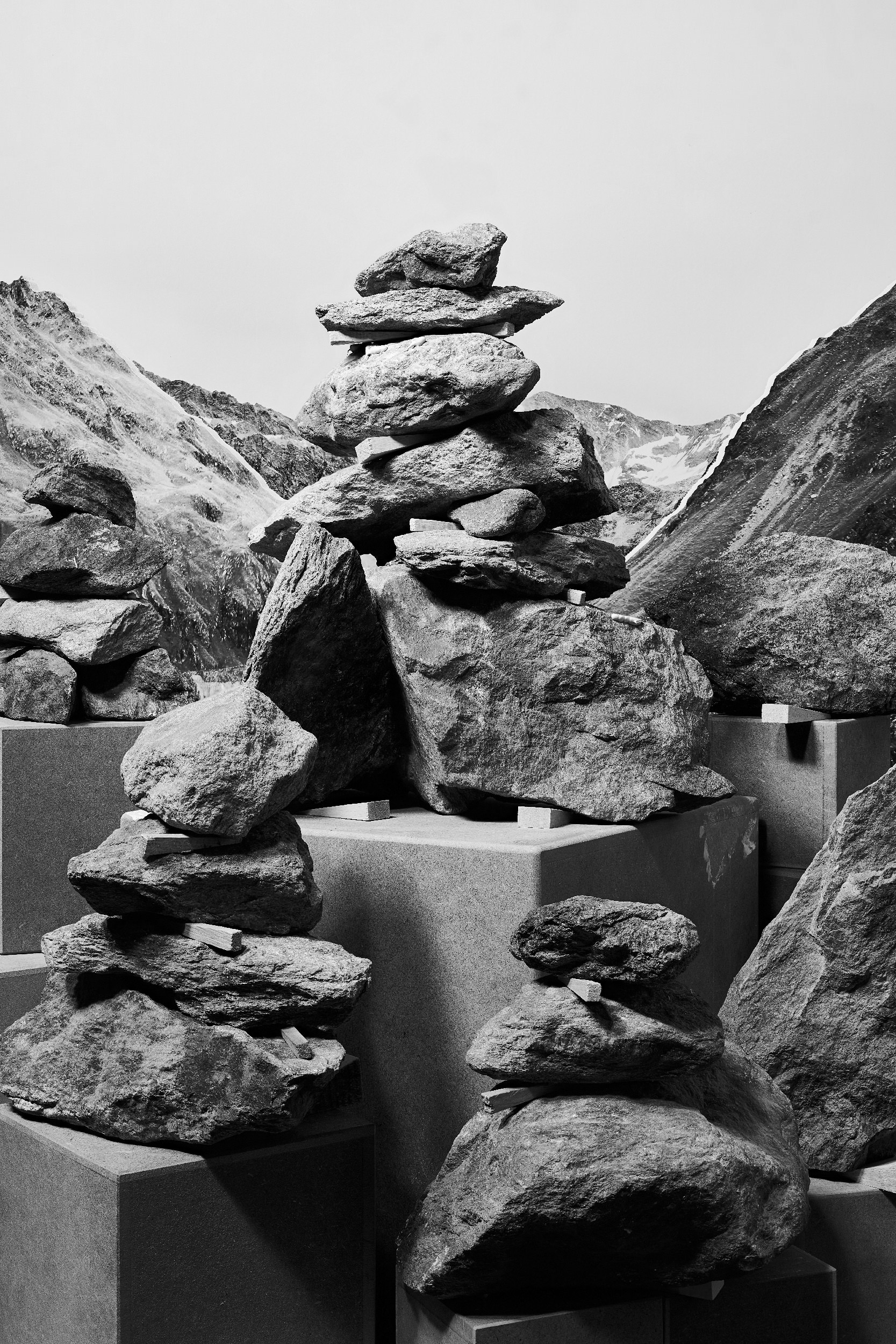
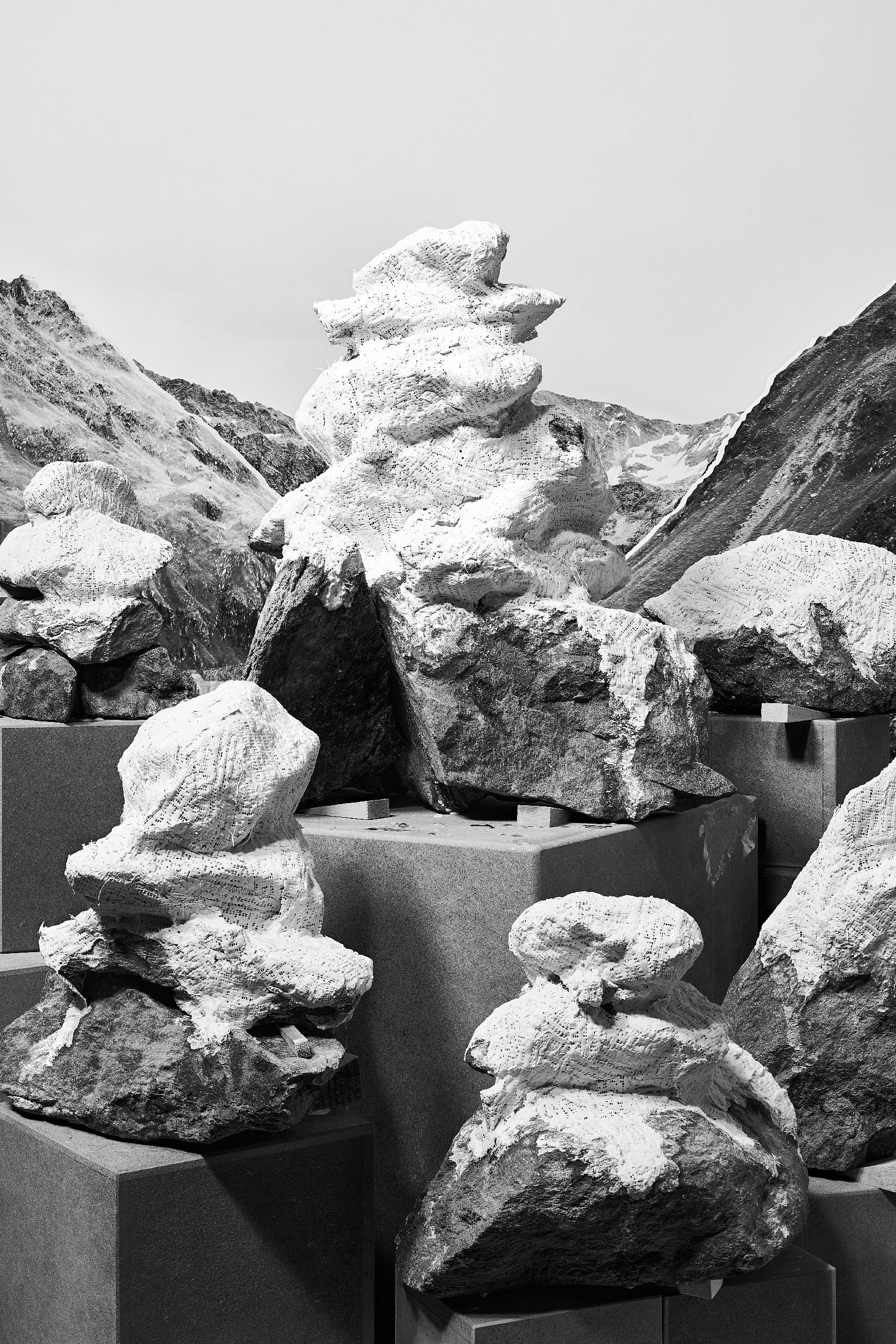
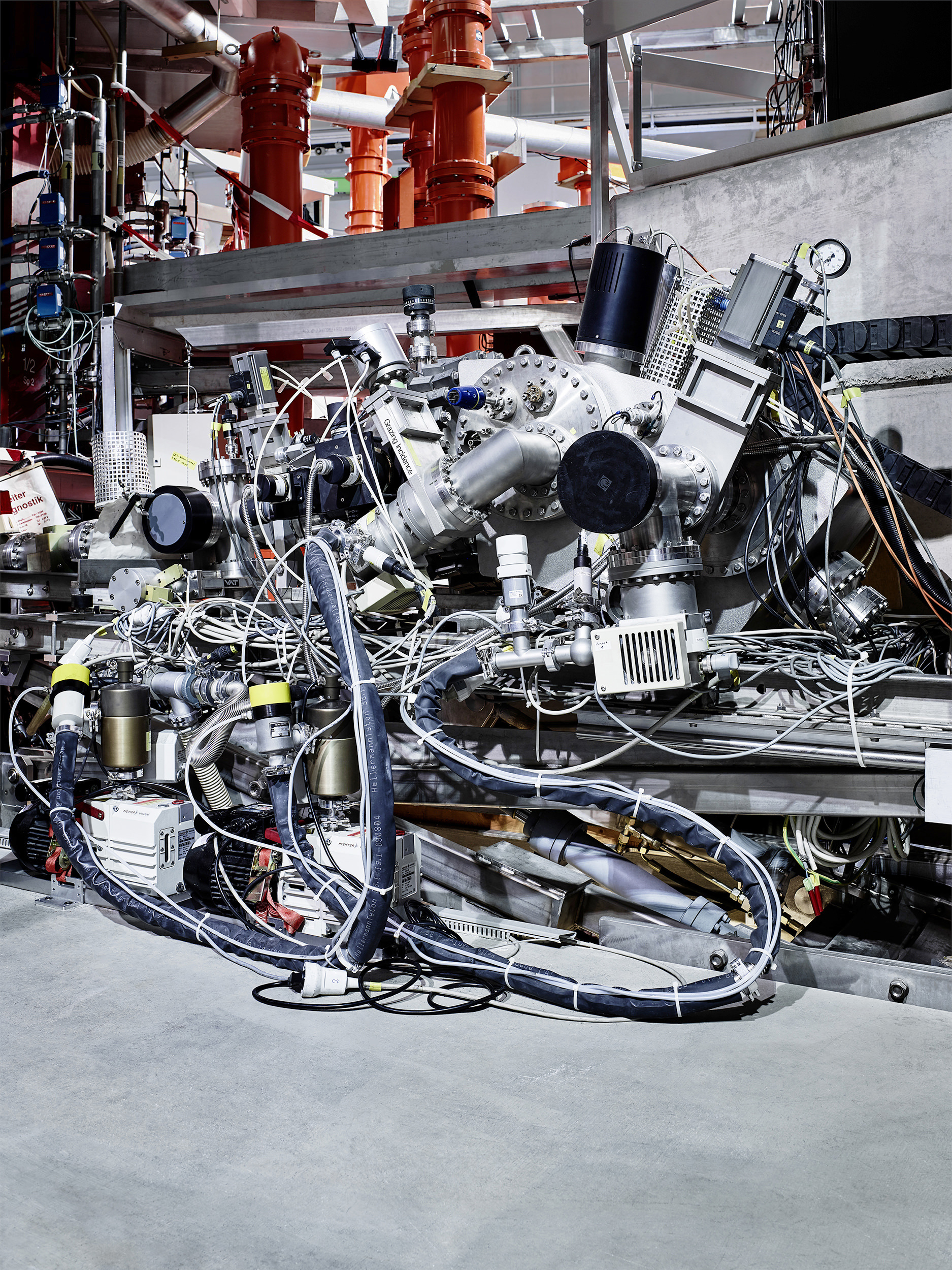
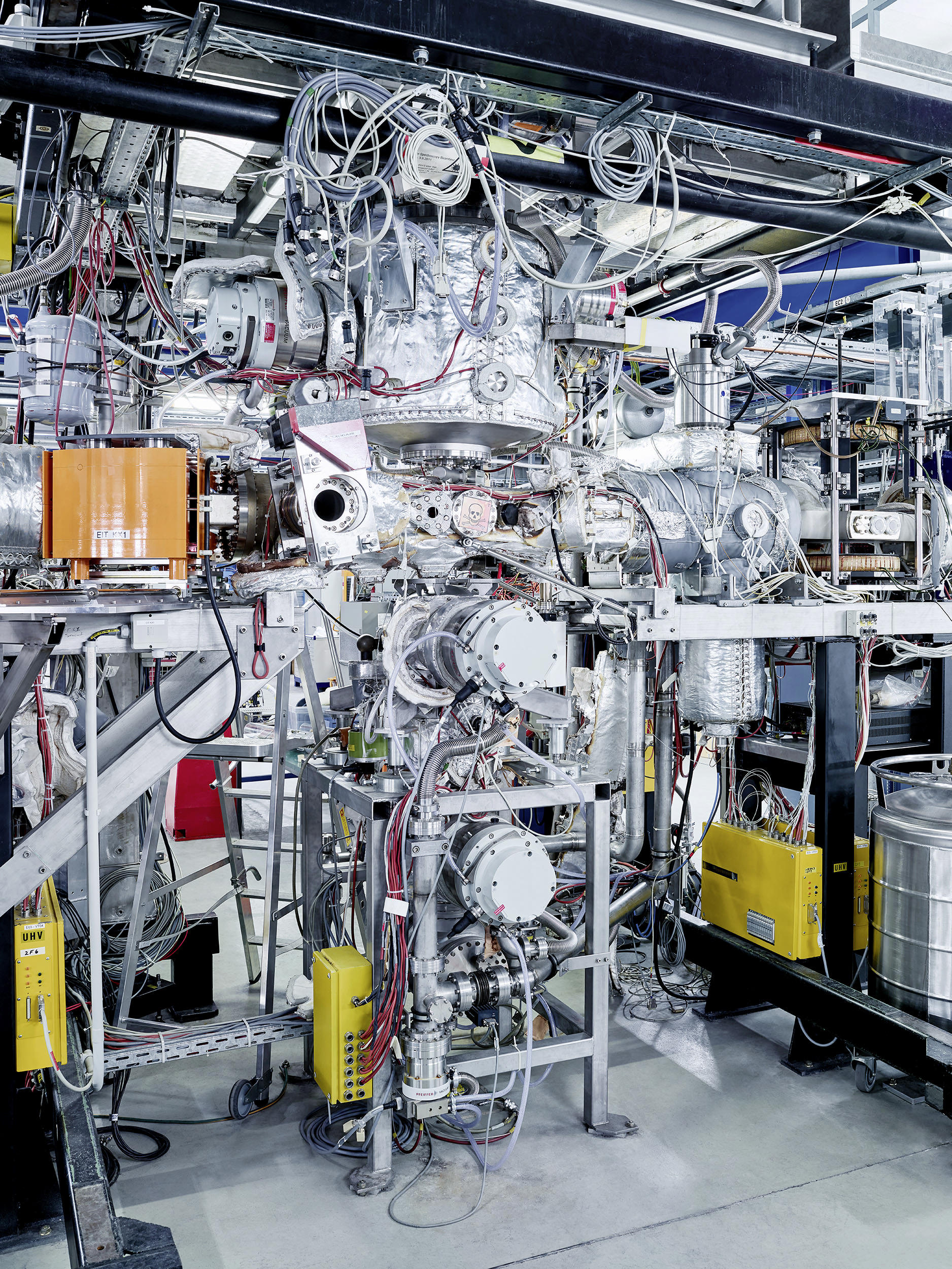
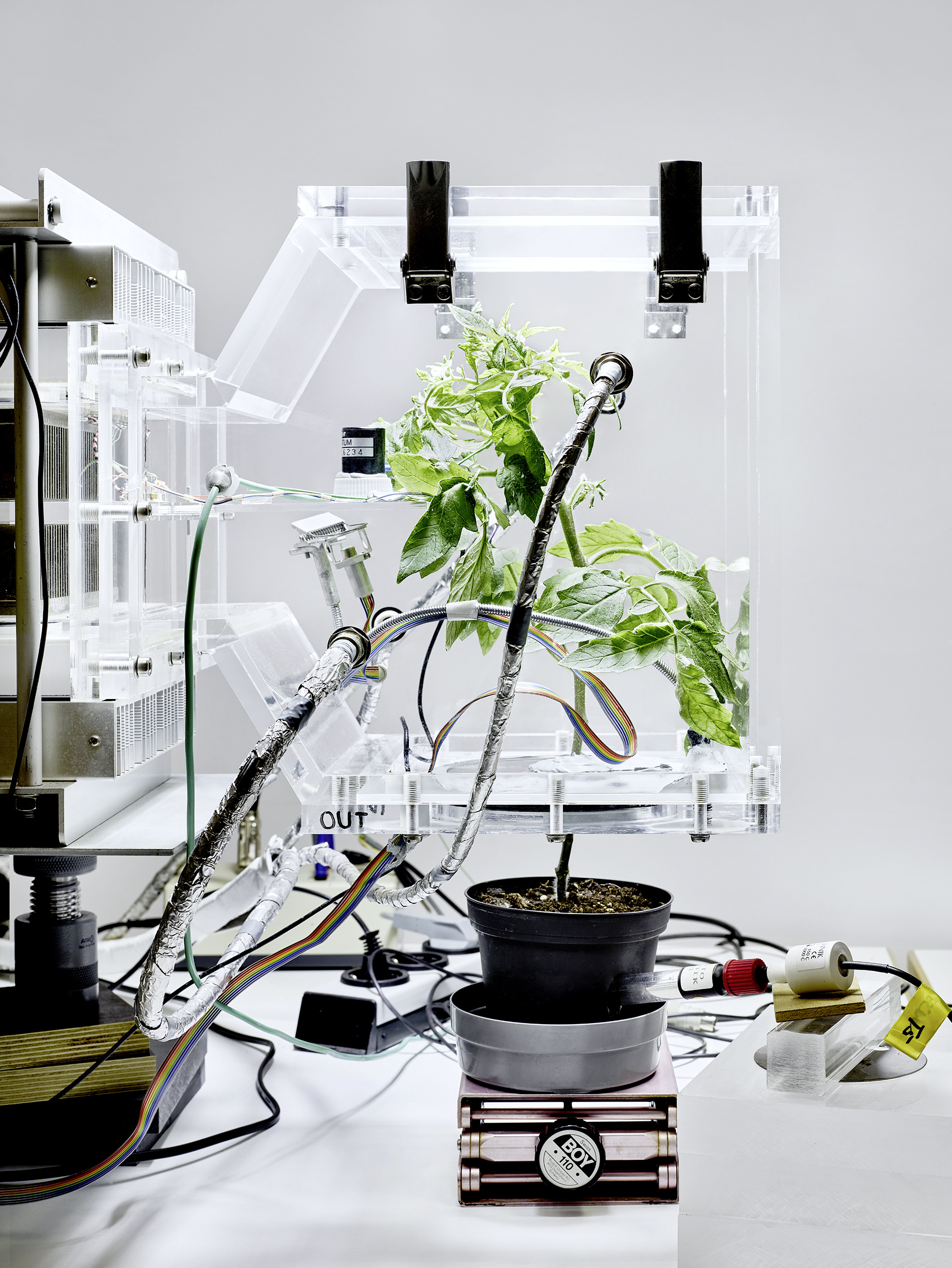
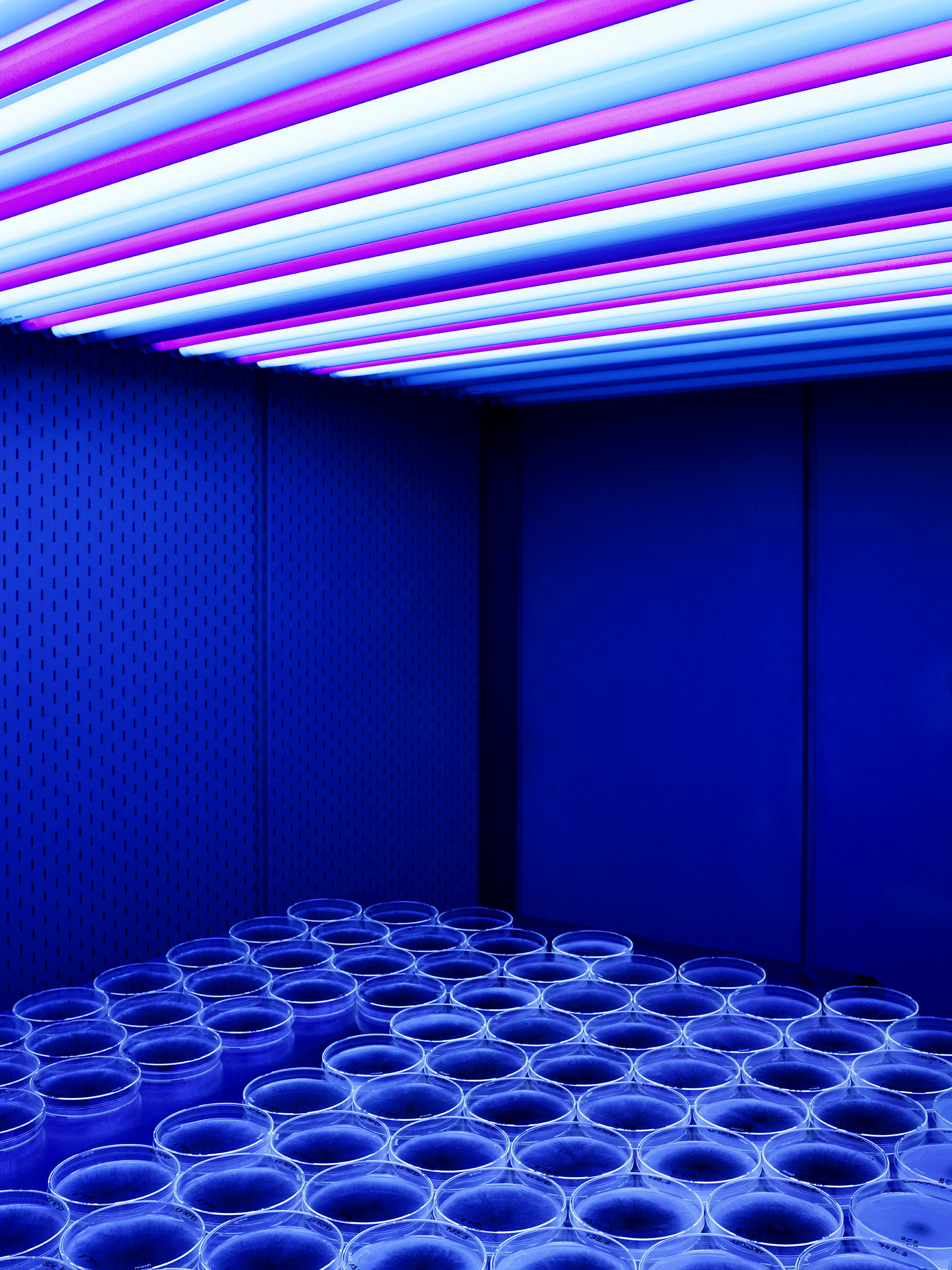
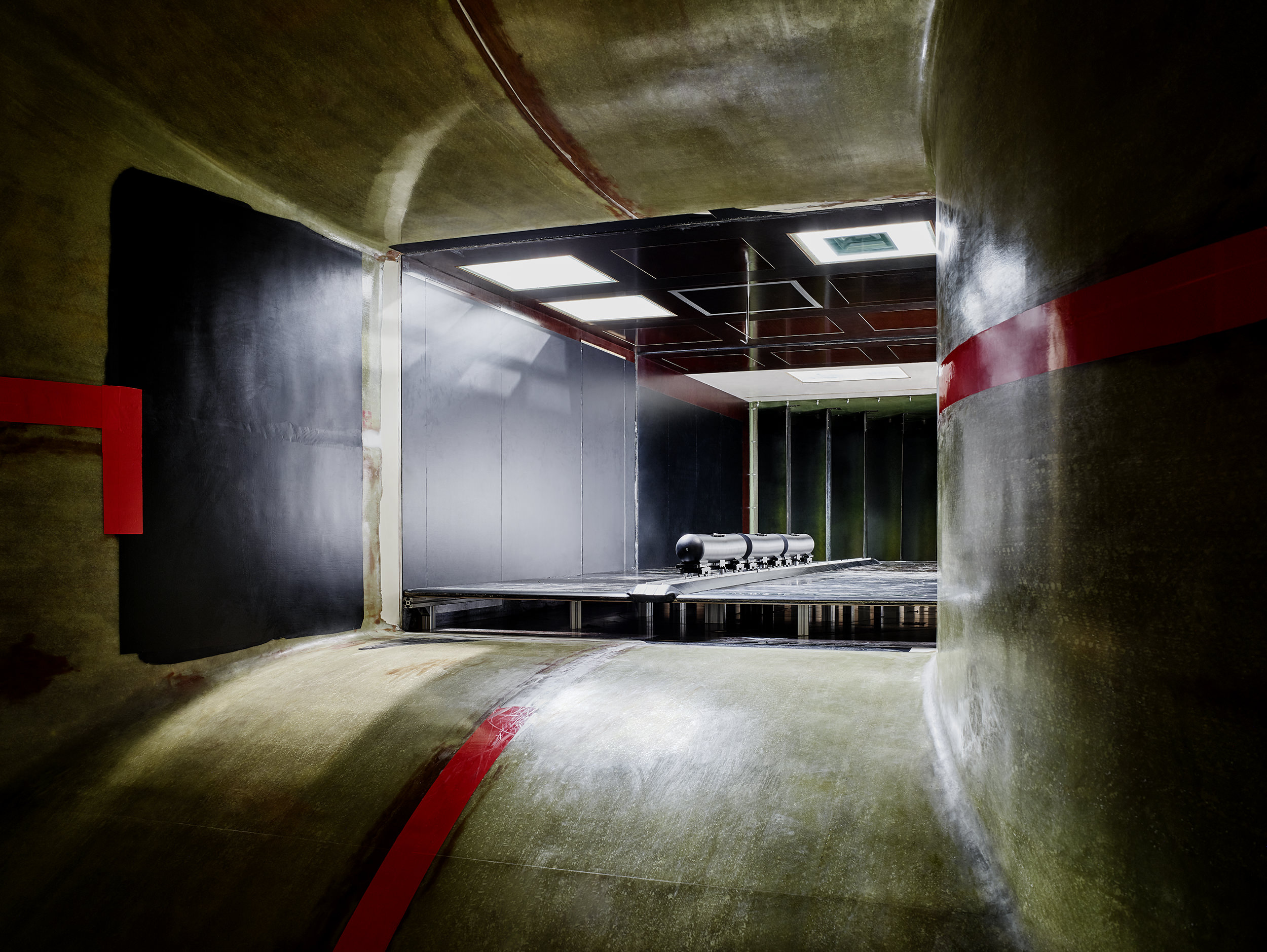
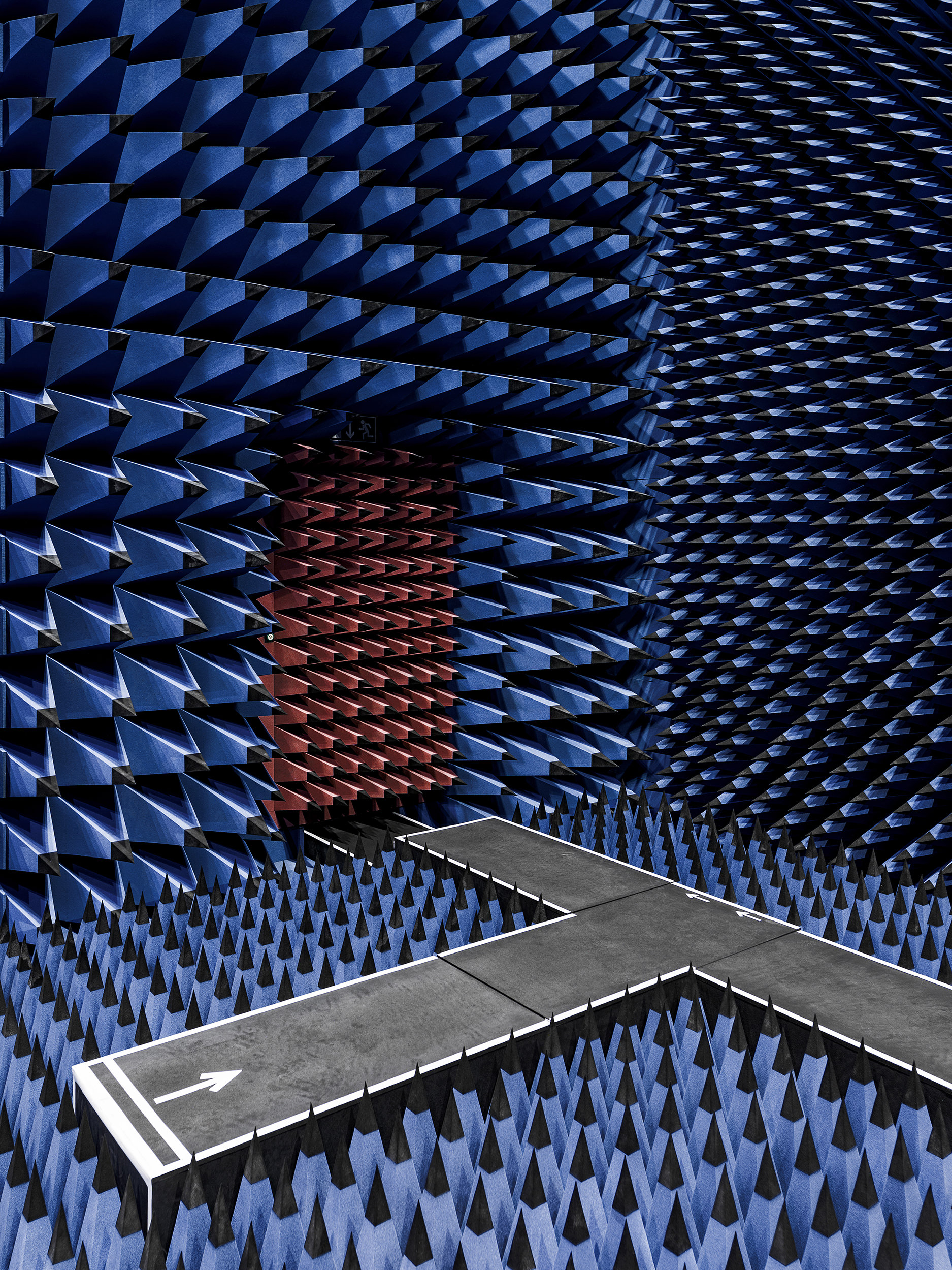
Alexander von Humboldt defined landscape as the "total character of an earth region". The landscape is created in the mind of the observer and is - objectively seen - only a collection of different objects, organic as well as anorganic, natural as well as artificial. Under the title "Artificial Landscapes", places are documented and interpreted that simulate, optimise, and compress the characteristics of certain conditions found in nature. Artificially created nature is modified for its optimal use and the conditions can be kept constantly the same. This opens up the possibility of exporting regionally occurring characteristics of a landscape to distant regions in order to use them independently of the regional natural conditions. The reasons for creating a replicated landscape span topics from science and research, education, production, consumption and sport.
Figures
Memories are usually very personal recapses of earlier, sometimes long-gone days of a person. In the series "Figures" I compile pictures to personal memories from my early childhood to the present day. As a starting point for the image serve memories that I have in connection with a specific item. To move beyond the reproduction of memory or profane representations of objects, I place the objects in a new, different context. They are detached from their actual purpose as commodities and are thus seen as independent sculptures.
Comissioned
The Wall Street Journal — The Future of Everything
KoRo — »PTC« (Pistachio Testing Facility)
Capital Magazin — Profit Alert
Scissor/Paper/Rock
Capital Magazin—Watch Award 2023
"Impulse"-Magazine — Volkswagenstiftung
Max Schubert – watchmaker
seltsame tage darmstadt & arno schmidt stiftung